
Picture a typical morning at your GP clinic. The waiting room fills up quickly. Patients arrive early, hoping to be seen promptly. Some stand in line. Others sit on crowded benches. The atmosphere grows tense as time passes without clear updates. A patient with a fever waits 45 minutes. A parent with a sick child watches the clock tick. Frustration builds. Complaints surface. Staff feel the pressure. This is the everyday reality for many GP clinics that still rely on traditional first-come, first-served queue management.
Healthcare is not a service where time is flexible. Patients with medical concerns cannot afford to wait in uncertainty. They need clarity, comfort, and timely care. A modern queue management system transforms this chaotic experience into an organised, predictable, and patient-friendly process. It is no longer a luxury for GP clinics. It is a necessity.
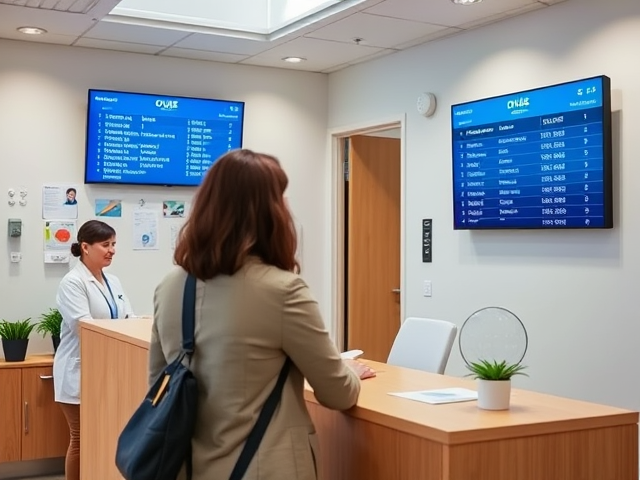
General practice clinics operate under constant pressure. Patient volumes are high. Staff resources are limited. Expectations for fast, respectful service are rising. Without a structured queue management system, clinics struggle to balance efficiency with quality care. Long wait times damage patient trust. Overcrowded waiting rooms create health risks. Staff burnout becomes a real concern. A virtual queue system addresses all of these challenges at once.
The healthcare sector is evolving rapidly. Patients now expect the same level of convenience they experience in retail, banking, and hospitality. A smart queue system brings that standard to GP clinics. It reduces physical congestion, eliminates guesswork, and gives patients control over their waiting experience. For clinic owners and practice managers, it means smoother operations, happier staff, and better patient outcomes.
How a Smart Queue System Works in Practice
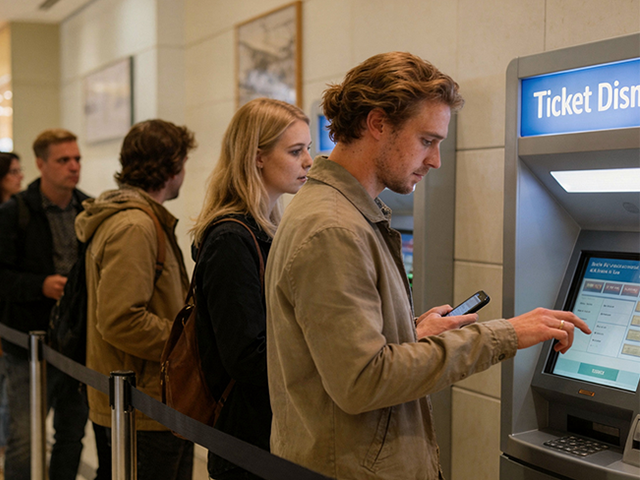
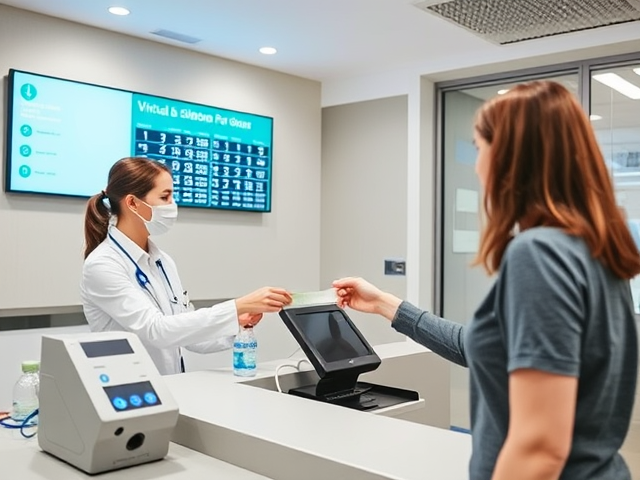
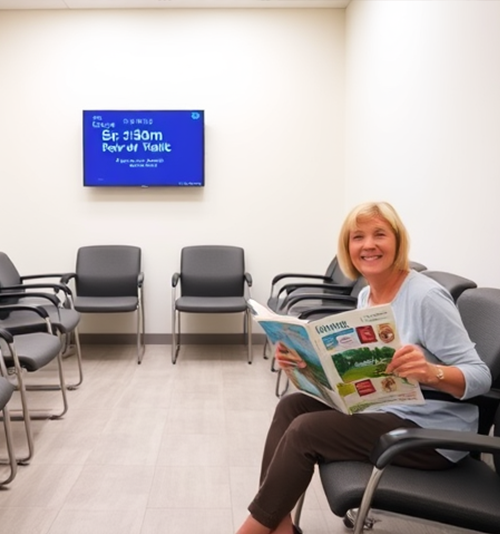
Research shows that patients begin feeling anxious after just six minutes of waiting. In a GP clinic setting, this is especially problematic. Patients are often unwell, stressed, or accompanying vulnerable family members. A queue management system ensures that wait times stay within acceptable limits by intelligently scheduling appointments, managing walk-in patients, and balancing workload across doctors.
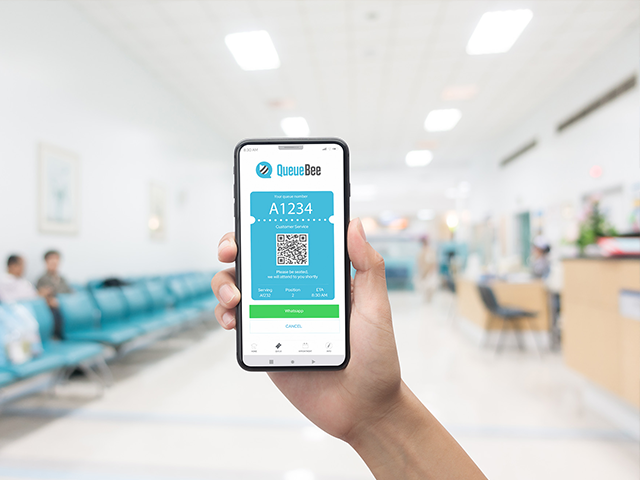
When a clinic implements a virtual queue system, patients no longer sit in crowded waiting rooms. They receive live notifications about their turn. The clinic can prioritise urgent cases without disrupting the flow. The result is shorter perceived wait times, fewer complaints, and a calmer clinic environment. For GP clinics, this is not just about convenience. It is about patient welfare.
By keeping wait times predictable and transparent, a smart queue system builds trust. Patients know exactly where they stand. They can plan their day accordingly. This level of reliability is what modern healthcare patients expect and deserve.
Uncertainty is the enemy of patient satisfaction. When patients do not know how long they will wait or what to expect next, anxiety increases. A queue management system eliminates this uncertainty by providing clear, real-time communication throughout the patient journey.
Imagine a system where patients receive automated updates at every stage. Instead of wandering around the clinic wondering about their turn, they stay informed through SMS, WhatsApp, or the clinic's patient portal. This transparency delivers three critical benefits:
By integrating seamless communication into the queuing process, GP clinics demonstrate professionalism and care. Whether through digital displays in the waiting area, automated SMS alerts, or a dedicated patient portal, the queue system keeps everyone informed. This is what separates a good clinic from a great one.
GP clinics are high-traffic environments. Walk-ins, referrals, and scheduled appointments all converge in the same space. Without proper management, the waiting room becomes chaotic. A smart queue system brings order to this chaos by directing patients efficiently and maintaining a calm clinic atmosphere.
Efficient crowd management is essential for any GP clinic. It is not just about moving patients through the door. It is about creating a space where patients feel safe, respected, and cared for. A queue management system makes this possible every single day.

In healthcare, patient experience is directly linked to patient outcomes. A positive experience encourages patients to follow medical advice, return for follow-ups, and trust their GP. Here is how a queue management system elevates the patient experience at GP clinics:
Effective patient experience is a continuous journey of understanding and responding to patient needs. Implementing a robust queue management system is a powerful step in this journey, ensuring that every patient interaction counts towards building a strong, lasting relationship with your community.

GP clinic staff work under immense pressure. They manage patient flow, handle medical records, coordinate with specialists, and deal with the emotional weight of healthcare. When the queue is chaotic, this pressure multiplies. Staff spend more time managing complaints than providing care. Morale drops. Burnout increases.
Consistently facing frustrated patients is exhausting. It is not just the occasional complaint. It is the daily grind of dealing with unhappy patients who feel ignored or undervalued. This takes a toll on even the most dedicated medical professionals. Trying to maintain quality care in the face of constant negativity is a tall order for any clinic team.
A queue management system makes a world of difference. By streamlining the waiting process and keeping patients informed, much of this stress is alleviated. No more dealing with the frustration of patients caught off guard by long waits. No more staff time wasted on managing angry crowds.
Imagine a system where patients know exactly what to expect and when. They are less likely to take out their frustration on staff because they are not caught in an endless loop of uncertainty. This kind of transparency helps patients and takes a load off the clinic team.
When staff are not constantly putting out fires caused by poor queue management, they are free to do what they do best: provide outstanding medical care. They can focus on patient interaction, personalised treatment, and genuine connection. This improves morale among the team and elevates the overall quality of healthcare delivered.
In healthcare, inefficiencies are more than inconveniences. They directly impact the clinic's bottom line and patient satisfaction. Long, unmanaged queues lead to patient walk-aways, which mean lost consultation revenue. They also increase the risk of complaints, regulatory scrutiny, and reputational damage. A smart queue system addresses all of these issues.
QueueBee's Queue Management System Makes a Difference:
The impact of a system like QueueBee can be substantial. By improving productivity and efficiency, it opens the door to significant operational cost savings. Imagine the revenue retained from patients who no longer walk away due to long waits. That is the potential of reducing operational inefficiencies by up to 90% with QueueBee's queue management system.
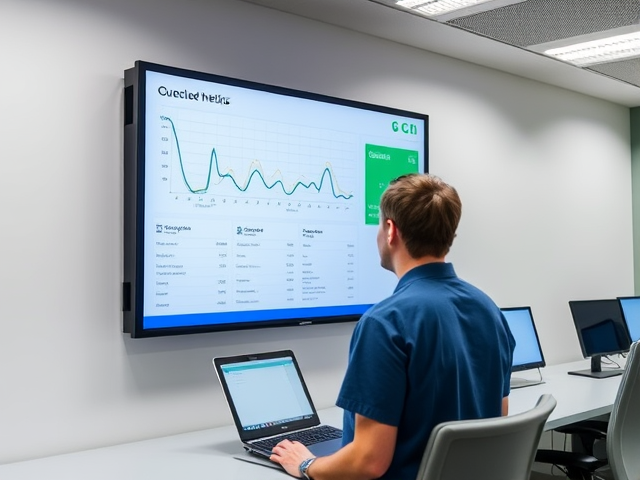
A modern queue management system does more than manage lines. It provides valuable data across the entire patient journey. This data is key to making smarter, more informed decisions for your GP clinic.
Ready to revolutionise your clinic's patient experience? Discover how QueueBee's queue management system can transform your GP clinic's operations, reduce wait times, and boost staff efficiency.
Contact us today for a personalised solution


Security | Quality | Reliability