
Public sector organisations across the globe face a common challenge: managing high volumes of citizens seeking government services. Whether it is a passport office, a municipal registration centre, or a healthcare facility, long queues and disorganised waiting areas have long been a source of frustration for both citizens and staff. This is where a smart queue system steps in as a transformative solution.
A smart queue system is an intelligent, technology-driven approach to managing customer flow that goes far beyond traditional ticketing. By leveraging real-time data, automated notifications, and digital integration, a smart queue system ensures that citizens receive timely, orderly, and respectful service. The ultimate goal is to elevate the customer experience while reducing operational bottlenecks that have historically plagued public sector institutions.

Government and public sector institutions are under increasing pressure to deliver efficient, transparent, and citizen-centric services. Citizens expect the same level of convenience and responsiveness from public services as they do from private sector businesses. A queue management system designed for the public sector addresses this expectation by replacing chaotic, manual processes with structured, technology-enabled workflows.
The impact of poor queue management in public sectors extends far beyond inconvenience. It affects trust in government institutions, increases operational costs, and creates unnecessary stress for both citizens and frontline staff. Implementing a smart queue system is no longer optional; it is a necessity for any public sector organisation committed to modernising its service delivery.
Understanding the different queue system approaches helps public sector leaders choose the right solution for their specific operational needs.
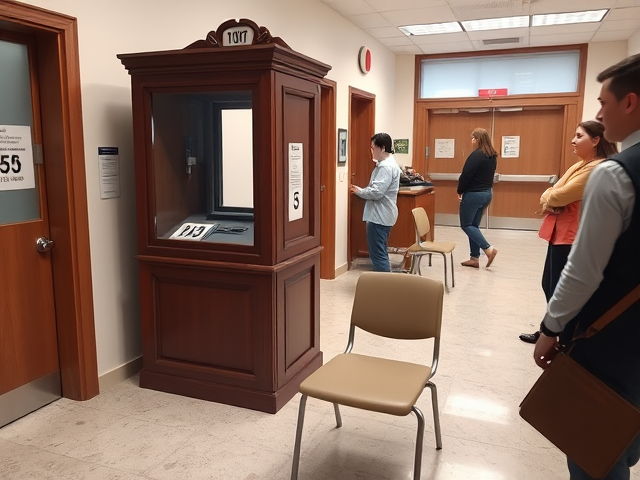

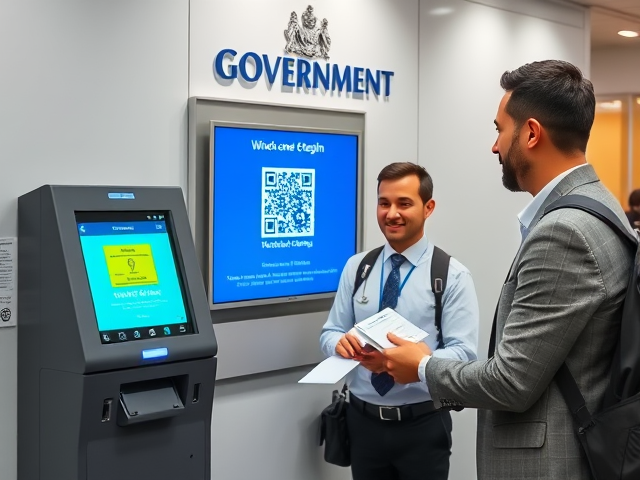

Long wait times are the single biggest complaint citizens have about public sector services. Studies show that most people begin to feel dissatisfied after waiting just five to ten minutes. In government offices where peak hours can stretch service times well beyond this threshold, citizen frustration escalates rapidly.
A smart queue system directly addresses this pain point by optimising service flow and ensuring that citizens are served in an orderly, predictable manner. By implementing a queue management system that tracks real-time service progress, public sector facilities can keep wait times within acceptable limits, demonstrating respect for citizens' time and significantly improving the overall customer experience.
When citizens know exactly when they will be served and how long they need to wait, the psychological burden of uncertainty is removed. This transparency is a cornerstone of modern public service delivery and a key differentiator between outdated government offices and forward-thinking public institutions.
Communication is the backbone of effective public service delivery. Citizens deserve to know their place in the queue, the estimated wait time, and any updates that may affect their visit. A smart queue system bridges the communication gap between government offices and the public by providing real-time, automated updates.
Consider the following benefits of improved communication through a smart queue system:
By integrating seamless communication into the queuing process, public sector organisations demonstrate a genuine commitment to citizen satisfaction. This is not merely a technological upgrade; it is a fundamental shift towards a more responsive and accountable government.
Public sector facilities often deal with unpredictable surges in foot traffic. A sudden influx of citizens seeking urgent services can overwhelm staff and create chaotic environments. A smart queue system enables public sector managers to monitor and manage crowd flow in real time, ensuring that service delivery remains smooth and professional.
Efficient crowd management is essential for any public-facing institution. It is not just about logistics; it is about creating an environment where citizens feel respected, valued, and confident in the government's ability to serve them effectively.

In the public sector, the customer experience is not just a metric; it is a measure of government legitimacy and citizen satisfaction. A queue management system plays a pivotal role in elevating the standard of public service delivery across multiple dimensions:
Effective public service is a continuous journey of understanding and responding to citizen needs. Implementing a robust queue system is a powerful step in this journey, ensuring that every interaction between the government and the public counts towards building a stronger, more responsive relationship.
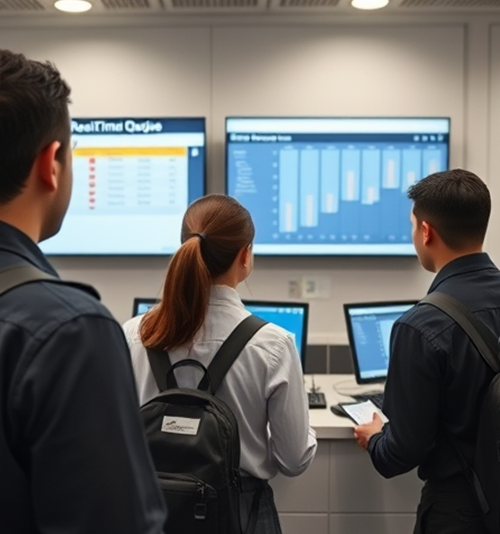
Public sector employees work under immense pressure. They deal with complex citizen queries, high-volume transactions, and the emotional weight of government services. When combined with chaotic queue environments, the stress on frontline staff becomes unsustainable.
Consistently managing frustrated citizens in disorganised queues takes a toll on morale. Staff members who feel overwhelmed by poor queue management are less productive, more prone to errors, and more likely to leave their positions. This cycle of burnout and turnover is costly and detrimental to public service quality.
A smart queue system alleviates much of this stress by bringing order to chaos. When citizens are informed, served fairly, and kept up-to-date on their queue status, the number of complaints and confrontations drops significantly. Staff can focus on what they do best: delivering accurate, compassionate public service.
And when public sector employees are not constantly managing crowd-related crises, they are free to engage meaningfully with citizens. This not only improves staff morale and retention but also elevates the overall quality of government service delivery.
Inefficiencies in public sector queue management carry a heavy financial burden. Wasted staff hours managing lines, the cost of physical infrastructure needed to accommodate overcrowded waiting areas, and the economic impact of citizens who abandon their visits due to long waits all contribute to unnecessary public expenditure.
A smart queue system delivers measurable cost savings across multiple dimensions:
The financial impact of a smart queue system in the public sector can be substantial. By improving productivity and eliminating inefficiencies, government institutions can redirect saved resources toward improving the citizen experience and delivering more public value.
A smart queue system does more than manage lines; it generates comprehensive data across the entire citizen journey. This data is invaluable for public sector leaders who need to make informed decisions about resource allocation, service design, and policy implementation.

Ready to modernise your government service delivery? Discover how QueueBee's smart queue system can transform the customer experience for public sector institutions. From reducing wait times to empowering staff and delivering data-driven insights, QueueBee is the partner government offices need to build a more efficient, citizen-centric future.
Contact us today for a personalised public sector solution.

Security | Quality | Reliability