
Picture this: It's Friday evening, your stomach is growling, and you've spotted a restaurant that looks absolutely inviting. You walk in, and the host greets you with a pen and a paper list. "We'll call your name when a table is ready," they say, handing you a slip of paper with the number 47 on it. You're now stuck standing in a cramped lobby, watching the clock tick by, wondering if you made the right choice.
This scenario plays out in restaurants every single day. Traditional waiting lists have been the industry standard for decades, but they come with a host of problems: cramped lobbies, lost tickets, frustrated diners, and staff overwhelmed by manual management. Meanwhile, restaurant waitlist software is revolutionizing how hospitality businesses handle customer flow, turning what was once a painful experience into a seamless, modern service.
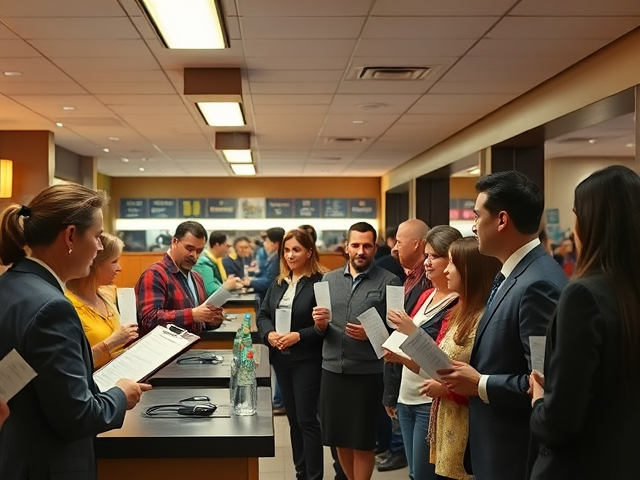
For generations, the pen-and-paper waiting list was the go-to solution for busy restaurants. But in today's fast-paced world, where customers expect convenience and transparency, traditional methods are showing their age. Long lines in cramped lobbies, lost tickets, inaccurate wait time estimates, and the constant stress on staff to manually track every guest — these are just a few of the problems that plague traditional waiting lists.
The impact goes beyond customer frustration. Restaurants lose revenue every time a guest walks away from a long wait. Staff productivity drops when employees spend more time managing lists than serving guests. And the data? Traditional lists provide zero insights into customer behaviour, peak hours, or service patterns. In a competitive dining landscape, these shortcomings can mean the difference between a thriving restaurant and one that's slowly losing ground.
Understanding the key differences between outdated waiting lists and a modern queue management system

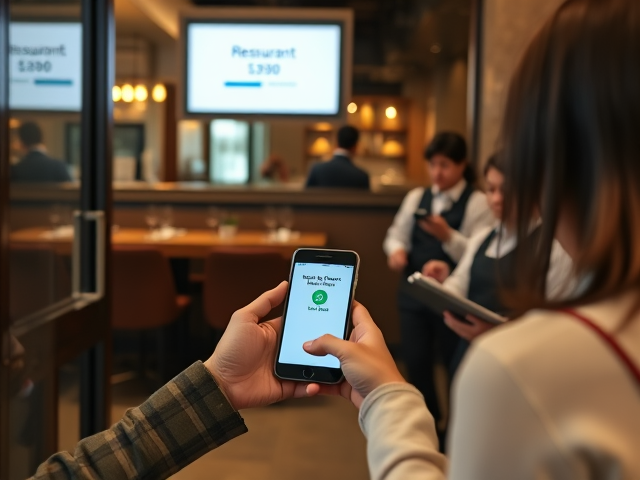
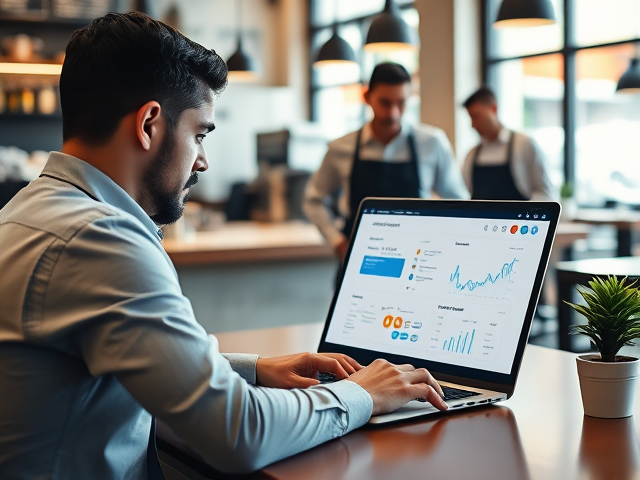
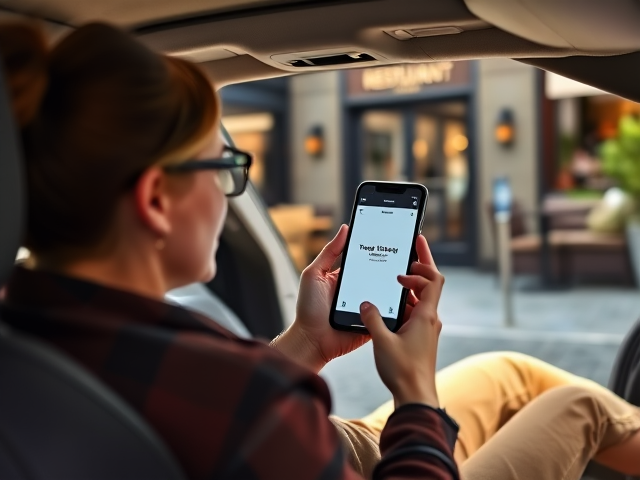
With a virtual queue system, guests no longer need to stand in line outside your restaurant. They can join the waitlist from their car, nearby shops, or even from home. This freedom transforms the dining experience entirely. Instead of wasting 30 to 60 minutes standing in a cramped lobby, guests can enjoy their time elsewhere and return when their table is ready.
For restaurants, this means less congestion at the entrance, a more welcoming atmosphere, and fewer frustrated guests walking away. A queue management system handles the waiting process digitally, so your staff can focus on what they do best — serving guests and creating memorable dining experiences.
When you replace traditional waiting lists with restaurant waitlist software, you're not just managing lines; you're giving your guests the gift of time. And in the hospitality industry, time is one of the most valuable commodities you can offer.
One of the biggest frustrations with traditional waiting lists is the uncertainty. "How long will it be?" is the question every guest asks, and every host dreads answering. Manual estimates are often inaccurate, leading to disappointment and frustration when the actual wait is longer than promised.
A modern queue management system solves this problem by providing real-time, data-driven wait time estimates. Here's how transparency benefits both guests and restaurants:
By integrating a smart queue system into your restaurant operations, you eliminate the guesswork and provide a level of transparency that traditional waiting lists simply cannot match. This is not just a convenience — it's a competitive advantage in today's dining landscape.
Traditional waiting lists offer no insight into how tables are being utilized. Is your restaurant underperforming during certain hours? Are certain tables sitting empty while guests wait? A queue management system answers these questions and more.
When you combine restaurant waitlist software with a smart queue system, you're not just managing guests — you're optimizing every aspect of your restaurant's operations. This leads to faster table turnover, higher revenue, and a smoother experience for both staff and diners.
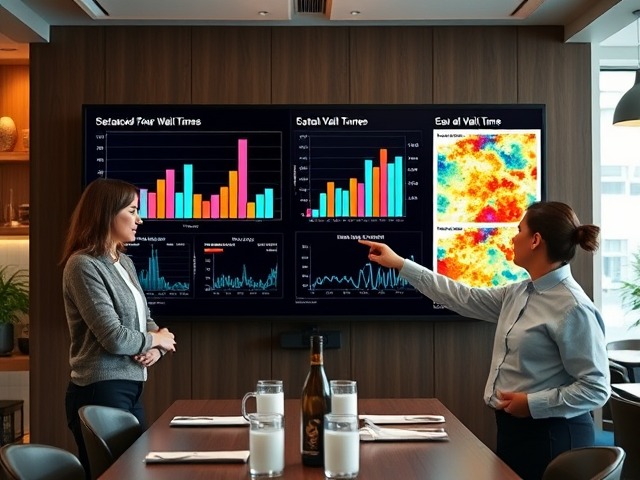
Traditional waiting lists provide zero data. They tell you nothing about your guests, their preferences, or your restaurant's performance. A modern queue management system changes everything by capturing valuable data that can drive business growth.
The data captured by a smart queue system is a goldmine for restaurant owners. It transforms guesswork into strategy, allowing you to make informed decisions that drive growth, improve service, and increase profitability. Traditional waiting lists simply cannot compete with this level of insight.
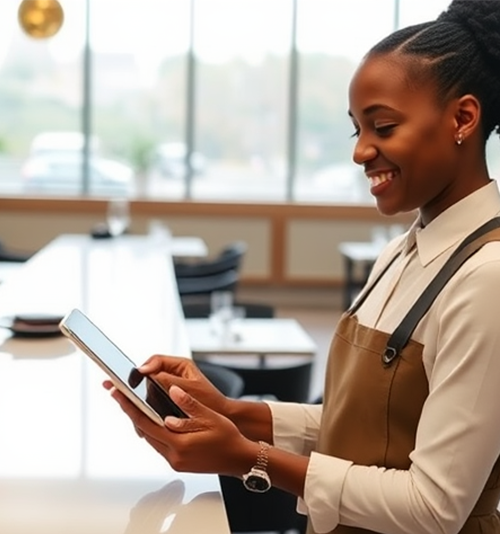
Think about the last time you walked into a busy restaurant and saw the host buried under a mountain of paper lists, frantically trying to keep track of every guest. It's chaotic, stressful, and inefficient. Traditional waiting lists place an enormous burden on your front-of-house staff, taking them away from what truly matters — welcoming guests and delivering exceptional service.
A queue management system automates the waiting process, freeing your staff to focus on high-value tasks. No more scribbling names on paper, no more calling out guest numbers over a noisy dining room, no more lost tickets and angry guests. The system handles the logistics, and your team handles the hospitality.
It means happier staff, fewer errors, and a smoother guest experience. When your team isn't overwhelmed by manual queue management, they can deliver the kind of personalized service that turns first-time visitors into loyal regulars. This is the power of restaurant waitlist software — it empowers your team to do their best work.
And when staff aren't constantly putting out fires caused by long waits and poor communication, they're free to do what they do best: provide outstanding service. They can focus on enhancing the customer experience, personalising interactions, and really connecting with customers. This not only improves morale among the team but also elevates the overall service quality.
In today's dining landscape, guests have choices. If one restaurant offers a seamless, modern waiting experience and another relies on pen-and-paper lists, which one will they choose next time? The answer is obvious. Restaurant waitlist software gives you a competitive edge that traditional waiting lists simply cannot match.
By adopting restaurant waitlist software, you're not just upgrading your operations — you're future-proofing your business. You're positioning your restaurant as a leader in guest experience, and in the competitive world of hospitality, that distinction can make all the difference.
The comparison between restaurant waitlist software and traditional waiting lists is clear. Traditional lists are outdated, inefficient, and data-poor. They create friction in the guest experience and place unnecessary strain on your staff. A modern queue management system, on the other hand, transforms the waiting experience into a competitive advantage.

Ready to replace traditional waiting lists with a modern queue management system? Discover how QueueBee's restaurant waitlist software can reduce wait times, boost customer satisfaction, and increase your restaurant's revenue.
Contact us today for a personalised solution


Security | Quality | Reliability