
Walking through a bustling shopping centre on a weekend afternoon is an experience most of us know well. The vibrant storefronts, the aroma of food courts, the excitement of discovering new products — it should be a delightful journey. But too often, that excitement is dampened by one frustrating reality: long queues. Whether it's at the customer service desk, the cinema ticket counter, or a popular retail checkout, waiting in line has become an unavoidable part of the shopping experience.
For shopping centre management, these queues are more than just an inconvenience for shoppers. They represent operational inefficiencies, lost revenue opportunities, and a declining customer experience. Shoppers today expect seamless service, and when they encounter long waits, their perception of the entire shopping centre suffers. This is where a smart queue management system becomes essential — transforming chaos into order and frustration into satisfaction.
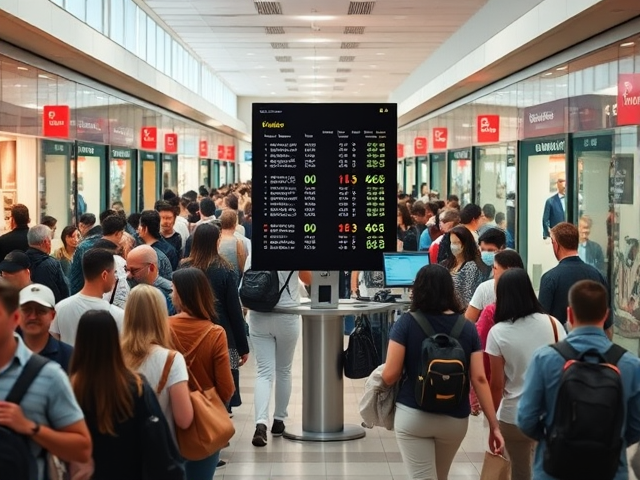
Shopping centres are complex ecosystems. Thousands of visitors flow through their corridors daily, each with their own destinations, needs, and expectations. Without proper queue management, this natural flow can quickly become chaotic, leading to overcrowded service areas, frustrated shoppers, and overwhelmed staff.
The impact of unmanaged queues extends far beyond temporary annoyance. Long wait times directly affect a shopper's decision to stay or leave. Studies show that customers are increasingly unwilling to wait more than a few minutes, especially when alternatives are available. For shopping centre operators, this means that every minute of unnecessary waiting is a potential loss in foot traffic, dwell time, and ultimately, revenue for both the centre and its tenants.
Types of Queue Systems for Shopping Centres
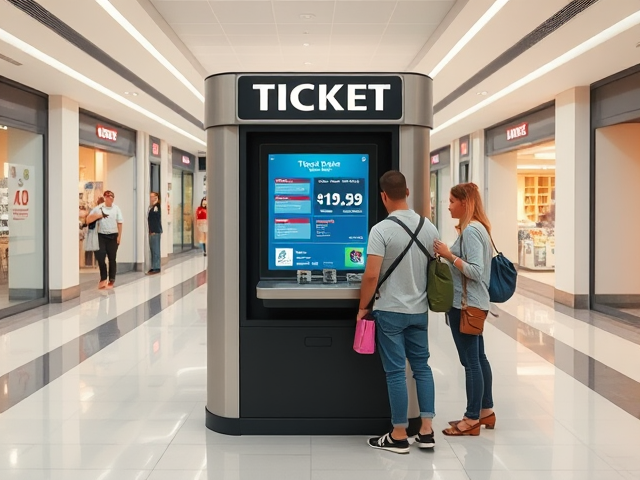
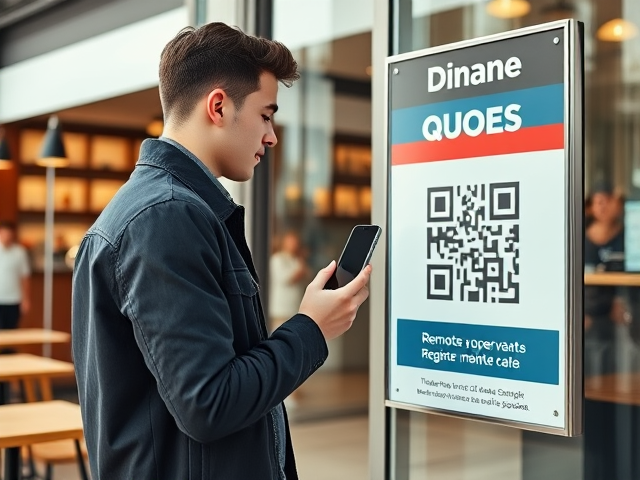
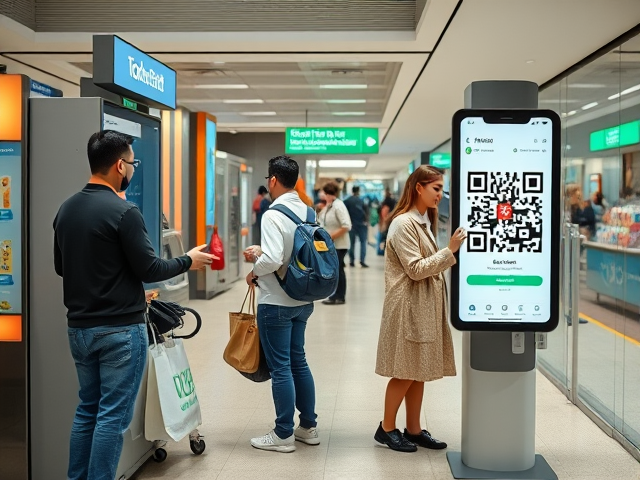
Research indicates that the average shopper will tolerate only about 5 to 10 minutes of waiting before frustration sets in. Beyond this threshold, patience erodes rapidly, and the positive atmosphere of a shopping centre can quickly turn into annoyance. For shopping centre operators, this narrow window of tolerance is critical — it defines the boundary between a satisfied visitor and a dissatisfied one.
Effective queue management system software addresses this challenge head-on. By intelligently routing shoppers to available service points, balancing load across multiple counters, and providing accurate wait time estimates, a queue system ensures that waiting stays within acceptable limits. When combined with a smart queue system that allows virtual queuing, physical lines disappear entirely, freeing up valuable floor space and creating a more pleasant shopping environment.
The result is a shopping centre where visitors feel respected, their time is valued, and their overall experience is enhanced from the moment they arrive to the moment they leave.
Communication is the backbone of any successful queue system. When shoppers know exactly where they stand in line and how long they will wait, uncertainty disappears. Uncertainty is one of the biggest drivers of queue anxiety, and eliminating it transforms the waiting experience entirely.
A well-designed queue management system keeps shoppers informed through multiple channels:
By integrating seamless communication into the queuing process, shopping centres demonstrate a commitment to customer experience that goes beyond mere convenience. It signals to shoppers that their time matters and that the centre is actively invested in making their visit as smooth as possible.
Shopping centres are designed to guide foot traffic through curated pathways, encouraging visitors to explore multiple stores and amenities. Unmanaged queues disrupt this carefully planned flow, creating bottlenecks that block corridors, overwhelm service areas, and detract from the overall shopping experience.
Efficient crowd management is not just a logistical necessity — it is a strategic advantage. Shopping centres that master queue flow create environments where shoppers feel comfortable, engaged, and valued. This translates directly into increased dwell time, higher spending, and stronger loyalty to the centre.
In the competitive world of retail and shopping centres, customer experience is the ultimate differentiator. Shoppers have countless options — from online shopping to competing malls — and they will choose the experience that feels most effortless and enjoyable. A well-implemented queue management system is a powerful tool in delivering that experience.
Effective customer experience management in a shopping centre is a continuous journey. Implementing a robust queue management system is a critical step in this journey, ensuring that every interaction — from queue entry to service completion — contributes to a memorable and positive shopping experience.

Behind every shopping centre queue are the staff members working tirelessly to serve shoppers. When queues are unmanaged, these staff members face constant pressure — dealing with frustrated customers, managing overcrowded service areas, and coping with the emotional toll of repeated negative interactions.
Consistently facing dissatisfied shoppers is demoralising. It is not just the occasional complaint that takes a toll; it is the daily grind of managing chaos and negativity. This environment erodes staff morale, increases turnover, and ultimately degrades the quality of service delivered to shoppers.
A smart queue management system alleviates much of this pressure. By streamlining the queuing process and keeping shoppers informed, it removes the friction that leads to negative interactions. Shoppers who know their place in the queue and when to expect service are far less likely to direct frustration at staff.
When staff are no longer constantly managing chaos, they can focus on what they do best: delivering excellent service. They can engage meaningfully with shoppers, resolve issues proactively, and create positive interactions that enhance the overall customer experience. This not only improves staff morale but elevates the entire shopping centre's service culture.
In shopping centre management, inefficiencies are more than operational headaches — they directly impact revenue. Long, unmanaged queues lead to shoppers leaving without completing their transactions, reduced dwell time, and lower spending across tenant stores. Every shopper who walks away from a queue represents lost revenue not just for a single store, but potentially for the entire shopping centre ecosystem.
A well-implemented queue management system addresses these losses at their source:
The financial impact of a system like QueueBee's queue management system can be substantial. By reducing operational inefficiencies by up to 90%, shopping centres can redirect saved resources toward enhancing the shopping experience, increasing tenant satisfaction, and driving long-term revenue growth.
A modern queue management system does far more than manage lines — it generates valuable data across the entire shopping centre customer journey. This data is the key to making smarter, more informed decisions that drive continuous improvement.
Data-driven decision making transforms queue management from a reactive operational task into a strategic advantage. Shopping centres that leverage queue system data gain a competitive edge, delivering superior customer experience while optimising every aspect of their operations.
Ready to revolutionise the shopping experience at your centre? Discover how QueueBee's queue management system can transform your shopping centre operations, reduce wait times, and elevate customer experience for every shopper and tenant.
Contact us today for a personalised solution


Security | Quality | Reliability