
Walking into a government office should be about getting things done, not about standing in endless lines. Yet, for millions of citizens visiting government offices every day, the experience is defined by long queues, confusion, and frustration. Whether it is a passport office, a tax centre, a social services department, or a municipal registration counter, the traditional queue system has become a barrier between citizens and the services they need.
Imagine a citizen arriving at a government office early in the morning, hoping to complete a simple document submission. Instead, they are met with a crowded waiting area, unclear instructions, and no visibility into how long the wait will be. By the time they reach the counter, their patience is exhausted, and the experience leaves a lasting negative impression of the government service. This is the reality for too many citizens today, and it is exactly why a modern queue management system for government offices is no longer optional—it is essential.
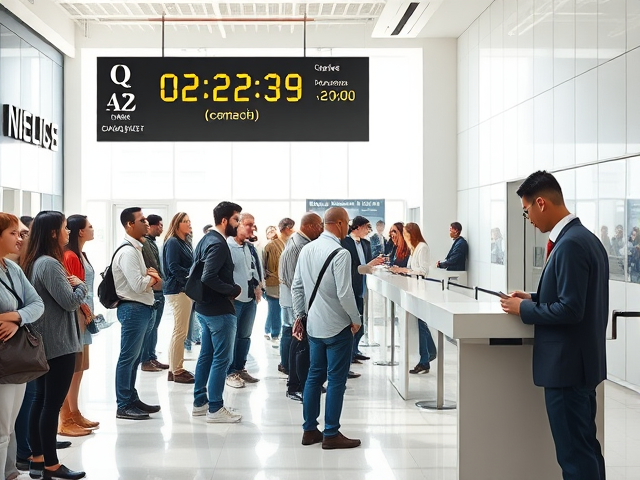
Government offices serve millions of citizens daily, and the way queues are managed directly impacts public trust, operational efficiency, and the overall perception of government service delivery. When citizens face long, unmanaged waits, it does not just cause inconvenience—it erodes confidence in public institutions.
The impact of poor queue management extends far beyond frustration. It leads to overcrowded waiting areas, increased complaints, higher staff stress levels, and even security concerns in densely packed government buildings. In an era where digital convenience is the norm, citizens expect the same level of efficiency from government services as they receive from the private sector. A well-implemented queue management system bridges this gap, ensuring that every citizen is treated with respect, transparency, and efficiency.
Choosing the right queue management approach depends on the type of service, the volume of visitors, and the infrastructure available. Here are the three primary models used in government settings:
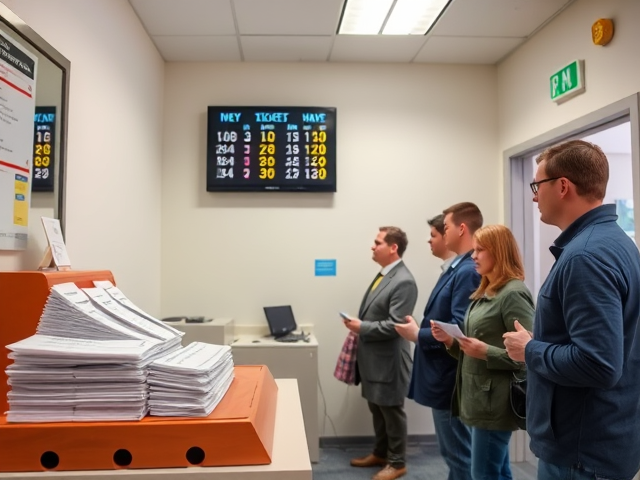
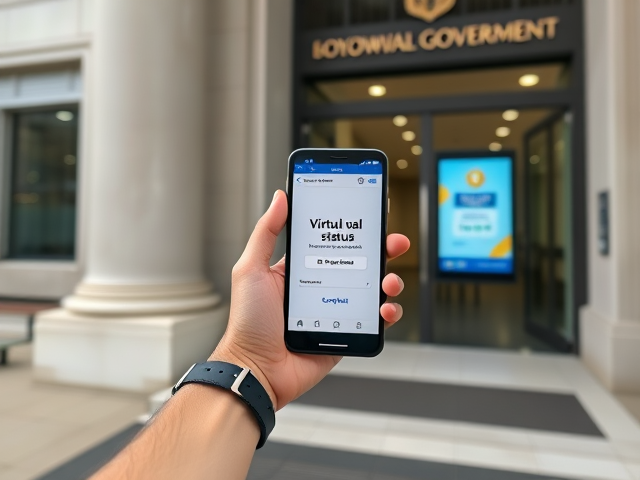
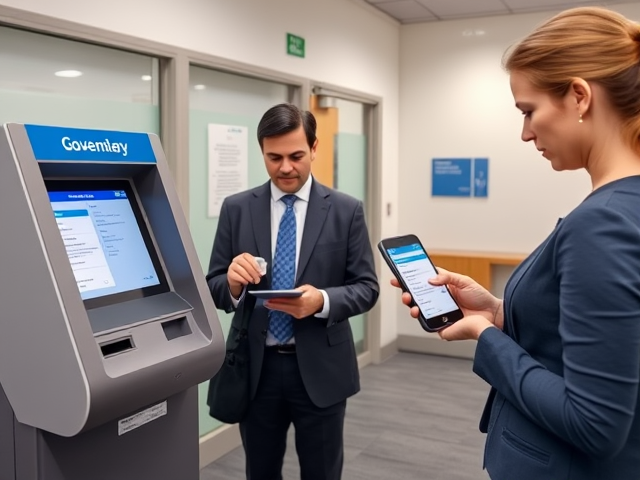
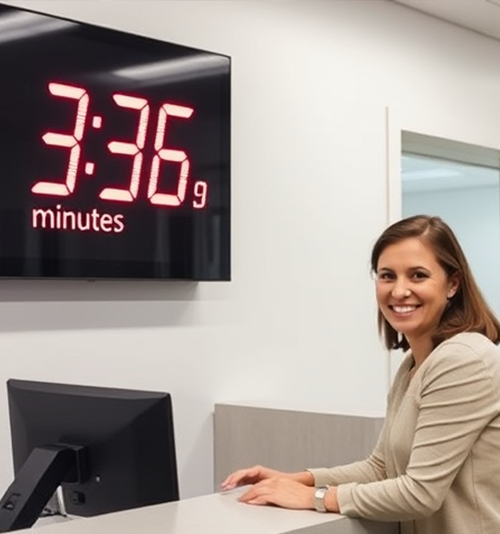
Research shows that citizens begin to feel frustrated after just 5 to 10 minutes of waiting. In government offices, where services can take longer due to documentation requirements and verification processes, this threshold is often exceeded. A queue management system addresses this by streamlining the flow of visitors, ensuring that each citizen is served in the order they arrived, and providing accurate wait time estimates.
When a government office implements a smart queue system, wait times can be reduced by up to 60 percent. Citizens no longer stand in uncertain lines—they receive real-time updates, know exactly where they are in the queue, and can plan their visit accordingly. This level of transparency transforms the citizen experience from one of anxiety to one of confidence and respect.
For government administrators, reducing wait times is not just about convenience—it is about fulfilling the public service mandate efficiently. A queue management system ensures that every citizen receives timely service, regardless of how busy the office is, and it does so without requiring additional staff or infrastructure.
Communication is the foundation of trust between citizens and government. When a citizen walks into a government office, they should never have to wonder how long they will wait or whether their document will be accepted. A modern queue management system eliminates this uncertainty by providing clear, real-time communication throughout the citizen journey.
Consider the following ways a queue management system improves communication in government offices:
By integrating seamless communication into the queuing process, government offices create an environment where citizens feel informed, respected, and valued. This is not merely a technological upgrade—it is a commitment to citizen-centric public service delivery.
Government offices often deal with large volumes of visitors, especially during peak hours, tax filing seasons, or policy announcement periods. Without proper crowd management, waiting areas become overcrowded, security risks increase, and the overall service environment deteriorates. A queue management system brings order to chaos by intelligently managing visitor flow.
Efficient crowd management is essential for any government office that serves the public. It is not just about organizing lines—it is about creating a respectful, orderly, and efficient service environment where citizens feel valued and government staff can perform their duties without unnecessary stress.

In the public sector, service quality is a direct reflection of government performance. Citizens judge the effectiveness of government offices not by policy documents but by their lived experience. A queue management system plays a critical role in elevating the standard of public service delivery:
Effective public service is built on the principle that every citizen deserves timely, respectful, and efficient treatment. Implementing a robust queue management system is a powerful step toward fulfilling that principle, ensuring that government offices operate as modern, citizen-friendly institutions.

Government office staff already carry heavy workloads. When combined with the stress of managing unruly queues, dealing with frustrated citizens, and handling complaints about wait times, the pressure on public servants becomes overwhelming. This is not sustainable, and it directly impacts the quality of service delivered.
Imagine a government clerk who spends half their day managing complaints about long waits instead of processing documents. Or a security officer who must constantly manage overcrowded waiting areas. These are not hypothetical scenarios—they are daily realities in government offices without a proper queue management system.
By automating queue management, government staff are freed from the burden of crowd control and complaint handling. They can focus on what they do best—serving citizens with accuracy and professionalism. A smart queue system ensures that staff workload is balanced, service times are optimized, and no counter is left idle while others are overwhelmed.
When staff are no longer constantly put out by the chaos of unmanaged queues, morale improves, productivity increases, and the overall work environment becomes more positive. This benefits both the government office and the citizens it serves.
In government operations, inefficiencies translate directly into wasted public funds. Long queues lead to extended service hours, increased staffing requirements, higher security costs, and greater administrative overhead. A queue management system addresses these cost drivers head-on by streamlining operations and eliminating unnecessary expenditure.
Key cost-saving benefits of a queue management system for government offices include:
The financial impact of implementing a queue management system in government offices is substantial. By reducing operational waste, improving staff productivity, and minimizing the need for additional resources, the return on investment is realized within months of deployment.
A modern queue management system does more than manage lines—it generates valuable data that government administrators can use to make smarter, more informed decisions about service delivery, resource allocation, and policy planning.
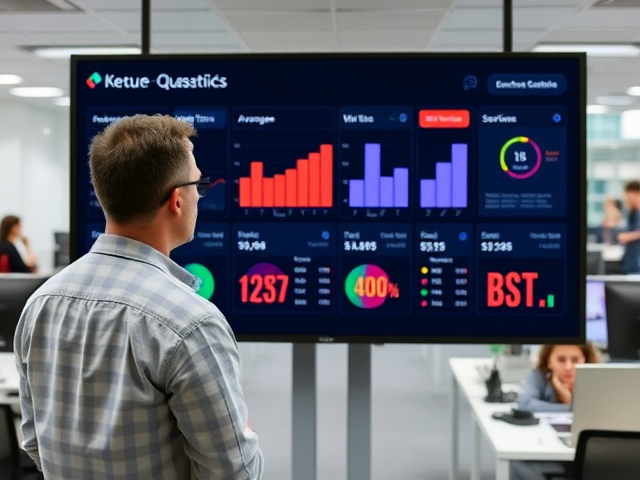
For government offices, data is not just a byproduct of operations—it is a strategic asset. A queue management system transforms raw visitor data into actionable intelligence, enabling administrators to continuously improve service quality, optimize resource allocation, and demonstrate accountability to the public.
Not every queue management system is designed for the unique demands of government service delivery. Our queue management system for government offices is purpose-built to address the specific challenges faced by public sector organizations.

We offer a comprehensive solution that includes virtual queue management, smart queue analytics, multi-channel citizen notifications, and seamless integration with existing government IT infrastructure. Whether your office handles passport applications, tax filings, social services, or municipal registrations, we adapt to your workflow and scale with your needs.
Key advantages of QueueBee for government offices include:
With our queue management system, government offices can transform their citizen service experience from a source of frustration into a model of efficiency and transparency. It is not just technology—it is a commitment to better public service.
Ready to eliminate long queues, improve citizen satisfaction, and modernize your government office? Discover how our queue management system can transform your public service operations.
Contact us today for a personalized government solution


Security | Quality | Reliability