
Every business that serves customers face-to-face has witnessed the same scene: a growing line of impatient people, frustrated staff, and missed opportunities. The question isn't whether to manage queues, but how. On one side sits the traditional manual waiting line, a method that has served businesses for decades. On the other stands the queue management system, a modern digital solution that is reshaping customer service across industries.
The choice between a queue management system and manual waiting lines goes far beyond convenience. It impacts customer satisfaction, staff morale, operational efficiency, and ultimately, your bottom line. In this article, we break down the key differences and show why businesses worldwide are making the switch to digital queuing.
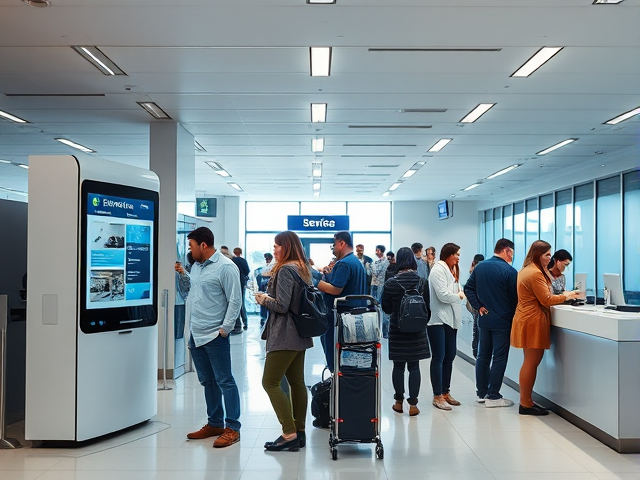
In today's fast-paced world, customers expect instant service and seamless experiences. Manual waiting lines, while familiar, simply cannot keep up with modern expectations. Long queues lead to walk-aways, negative reviews, and lost revenue. Meanwhile, a queue management system transforms the waiting experience into a smooth, transparent, and even enjoyable part of the customer journey.
The stakes are high. Studies show that over 60% of customers will leave a business if the wait time exceeds 10 minutes. With a queue management system, you eliminate the guesswork, reduce perceived wait times, and keep customers engaged from the moment they arrive. Understanding the gap between these two approaches is the first step toward making the right decision for your business.
How Each Approach Handles the Customer Journey

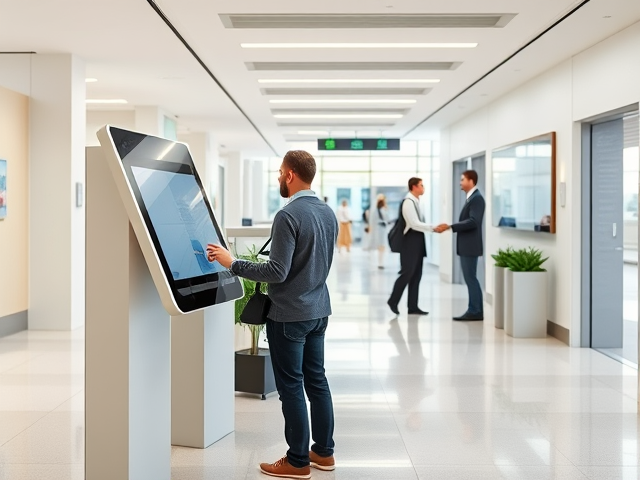

With manual waiting lines, customers have no idea how long they will wait. They stand in line, watch others arrive ahead of them, and endure unpredictable delays. A queue management system eliminates this uncertainty entirely. Customers receive accurate wait time estimates, real-time position updates, and the freedom to wait off-site.
The difference is stark. Manual lines often result in 20 to 40 minute waits, pushing customers to their breaking point. A queue management system reduces average wait times by up to 60%, because staff are directed to the next customer automatically, service times are monitored, and bottlenecks are identified in real time.
When you compare a queue management system against manual waiting lines, the advantage in wait time control is undeniable. Customers leave satisfied, not frustrated, and your business gains a reputation for efficiency and respect for people's time.
Customer experience is the battleground where the queue management system vs manual waiting lines debate is won or lost. Manual lines create anxiety, discomfort, and a sense of unfairness. Customers wonder if the person ahead of them has been there longer, or if staff are favouring certain individuals.
A queue management system transforms the experience entirely:
When businesses choose a queue management system over manual waiting lines, they are not just managing queues. They are designing a customer experience that builds loyalty, encourages repeat visits, and turns waiting into a positive brand moment.
Manual waiting lines put enormous pressure on staff. Employees spend time managing crowds, answering the same questions repeatedly, and dealing with frustrated customers. A queue management system removes this burden and empowers teams to focus on what matters: delivering excellent service.
In the queue management system vs manual waiting lines comparison, staff efficiency is a decisive factor. A digital queue system makes teams more productive, reduces burnout, and allows businesses to serve more customers with the same resources.
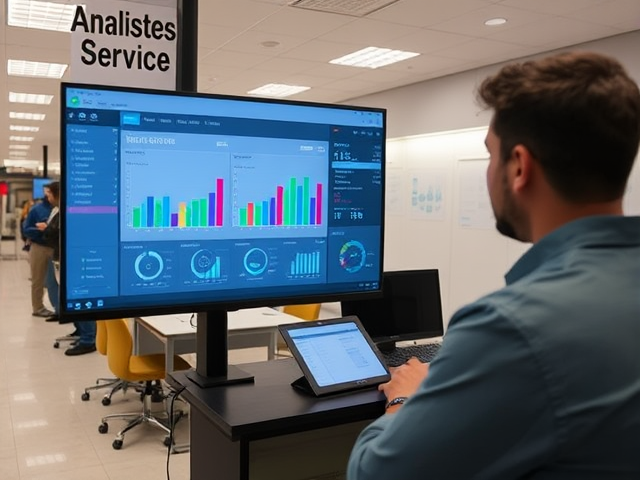
Manual waiting lines leave businesses flying blind. There is no record of how many people arrived, how long they waited, or which service points are underperforming. A queue management system captures every data point, turning queue management into a strategic advantage.
The data advantage is one of the strongest arguments in the queue management system vs manual waiting lines debate. Businesses that embrace digital queuing gain insights that drive continuous improvement, smarter staffing, and higher customer retention.

Manual waiting lines are deceptively expensive. Walk-aways cost revenue. Staff time spent managing lines is time not spent serving. Disputes over queue order create conflict and damage reputation. All of these hidden costs add up quickly.
A queue management system eliminates these costs. By reducing walk-aways, improving service speed, and automating queue management, businesses see a direct return on investment. The system pays for itself through increased throughput, better staff utilisation, and higher customer retention.
When you factor in the true cost of manual waiting lines, the queue management system emerges as the clear winner. It is not an expense. It is an investment that generates measurable savings and revenue growth from day one.
Businesses that switch from manual waiting lines to a queue management system report an average reduction in operational costs of 30 to 40 percent within the first year. That is the power of digital queue management.
Manual waiting lines do not scale. As your business grows, so does the chaos. More customers mean longer lines, more staff needed, and exponentially more stress. A queue management system scales effortlessly, adapting to increased demand without additional overhead.
In the queue management system vs manual waiting lines comparison, scalability is the final nail in the coffin for manual queues. If you plan to grow, a digital queue system is not optional. It is essential.
Stop asking which is better — the data, the experience, and the results have already answered that question. Manual waiting lines are costing your business customers, staff morale, and hard-earned revenue every single day. A queue management system is not a luxury upgrade. It is the baseline standard for any business that is serious about serving people well.
Here is what switching to a queue management system means for your business, starting from day one:
The queue management system vs manual waiting lines debate has a definitive winner. The only real question left is: how much longer will you let manual queues hold your business back? Make the move, and make it count.

The queue management system vs manual waiting lines debate is over. Manual queues are costing you customers, revenue, and reputation. QueueBee's queue management system gives you the tools to transform your customer experience, boost staff efficiency, and drive measurable growth.
Contact us today for a personalised demo and see the difference a digital queue system makes.


Security | Quality | Reliability