
Every retail store owner knows the frustration of watching customers walk away from the checkout counter because the line has grown too long. In today's fast-paced shopping environment, patience is a finite resource, and retail queuing systems have become the difference between a customer who returns and one who never comes back.
Research shows that shoppers will abandon their carts if the checkout wait exceeds just a few minutes. This isn't merely an inconvenience — it's a direct hit to your revenue, your brand reputation, and your ability to compete with online retailers who offer instant gratification. The modern customer journey demands efficiency, and the checkout experience is where that demand is tested most severely.
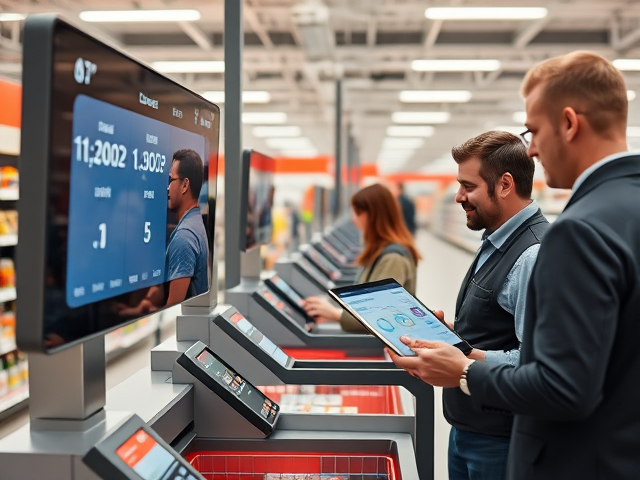
The cost of long checkout lines extends far beyond lost sales in the moment. When customers endure unnecessary waiting, the damage to your customer experience compounds over time. A single negative checkout experience can influence a customer's decision to shop elsewhere permanently, and in the age of social media, that frustration spreads quickly.
Effective retail queuing systems address this challenge head-on by transforming the checkout process from a pain point into a competitive advantage. Stores that invest in smart queuing technology see measurable improvements in customer satisfaction scores, higher transaction volumes, and stronger staff morale. The queuing system becomes the backbone of a smoother customer journey, ensuring that every shopper feels valued from entry to exit.
Different retail environments call for different queuing strategies. Understanding your options is the first step toward choosing the right retail queuing system for your store.
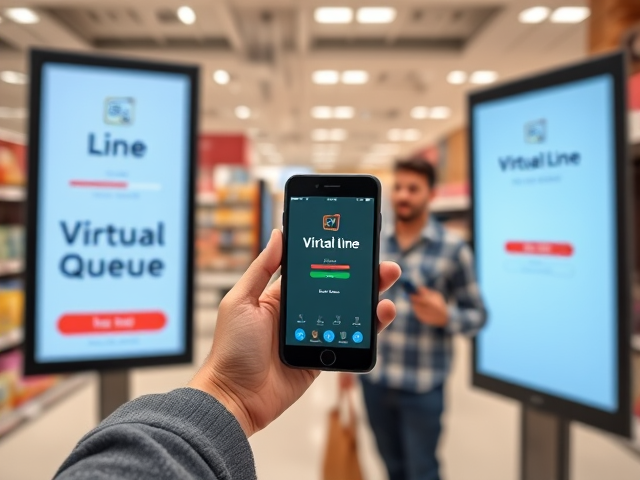

The most impactful way to reduce checkout waiting time is to remove the physical line altogether. Virtual queuing allows customers to join a digital queue from their smartphones, a store kiosk, or even from home before they arrive. This means they can browse products, enjoy a coffee, or complete other errands while their turn approaches.
When customers are no longer forced to stand in a visible line, their perceived wait time drops significantly. Studies show that people tolerate waiting better when they can move freely and receive regular updates. A well-designed retail queuing system sends real-time notifications through SMS, WhatsApp, or email, keeping shoppers informed and reducing the anxiety of uncertainty.
For retail stores, this translates into fewer walk-aways, higher conversion rates, and a noticeably improved customer experience. The queuing system handles the logistics behind the scenes while customers enjoy a frictionless journey from store entry to checkout completion.
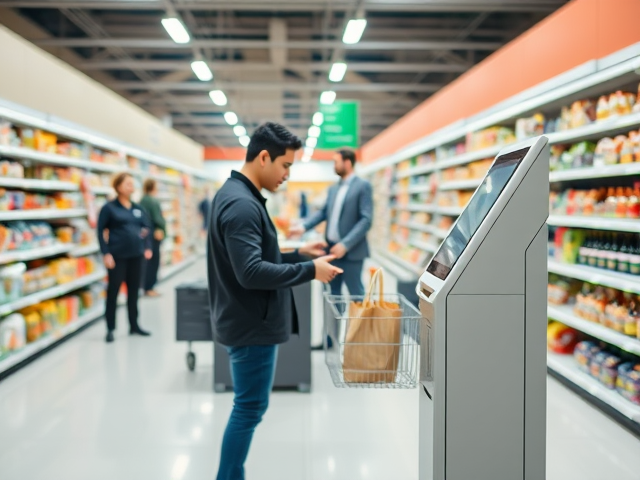
Self-checkout kiosks have become a staple in modern retail, and for good reason. They reduce the dependency on cashiers, shorten queues, and give customers the autonomy to complete their purchases at their own pace. When integrated with a retail queuing system, self-checkout lanes can be dynamically managed to ensure balanced utilization across all available stations.
Here is how self-checkout kiosks improve the checkout experience:
By combining self-checkout kiosks with a queuing system, retailers can monitor lane utilization in real time, redirect customers to less busy stations, and ensure that no shopper is left waiting unnecessarily. This strategy is especially effective during peak hours when traditional queuing would otherwise collapse under pressure.
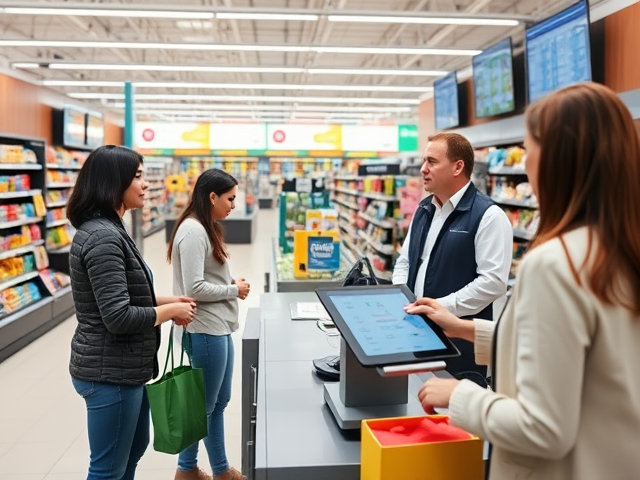
Even the best retail queuing system cannot work miracles if staff are not positioned where they are needed most. Dynamic staff allocation ensures that cashiers and floor associates are deployed based on real-time queue data rather than guesswork or fixed schedules.
Optimized staff allocation powered by a queuing system ensures that your retail store operates at peak efficiency. Customers experience shorter waits, staff feel less overwhelmed, and the overall customer experience improves across the board.
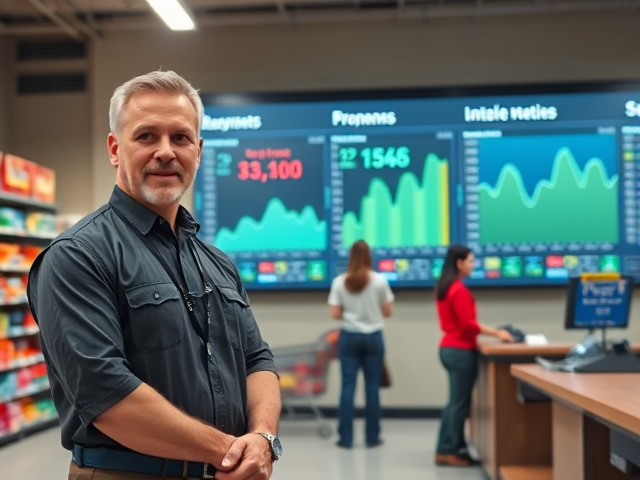
Proactive queue management is impossible without real-time visibility. Retail queuing systems equipped with live monitoring dashboards give store managers a clear picture of what is happening at every checkout point, every minute of the day.
Real-time monitoring transforms queue management from a reactive exercise into a proactive strategy. Retail queuing systems that offer this level of visibility empower store operators to eliminate bottlenecks before they impact the customer experience, ensuring that every checkout interaction is as smooth as possible.
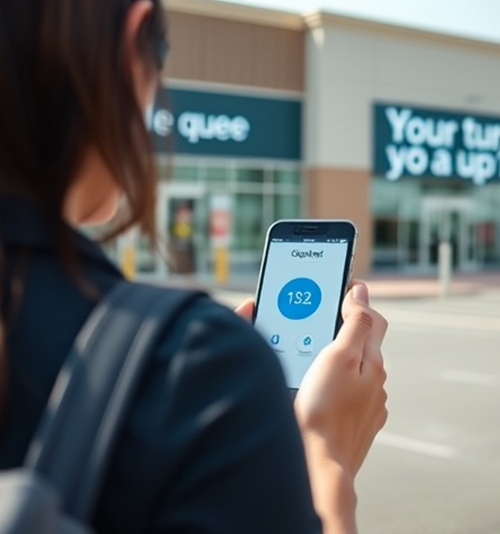
Mobile queue management takes the queuing system beyond the store walls. Customers can join a queue from their smartphone while browsing at home, waiting in their car, or exploring other departments. This flexibility is a game-changer for retail stores that want to reduce perceived waiting time and deliver a superior customer journey.
When shoppers know they have secured their place in line without standing in a physical queue, their stress levels drop dramatically. The queuing system handles all the complexity — tracking position, estimating wait times, and sending arrival notifications — so the customer can focus on enjoying their shopping experience.
Customers can join a queue remotely and receive push notifications or SMS alerts when it is nearly their turn. They can also check queue status in real time and decide whether to wait or return later. For retailers, mobile queuing reduces congestion at the checkout area, improves foot traffic flow, and captures valuable customer data for future marketing and service improvements.
Integrating mobile queue management into your retail queuing system is one of the most effective ways to reduce checkout waiting time while simultaneously elevating the overall customer experience. It is the kind of innovation that turns a routine shopping trip into a memorable, hassle-free experience.
Reducing checkout waiting time is not a one-time project — it is an ongoing optimization process. Retail queuing systems generate rich data about customer flow, peak hours, transaction times, and lane performance. This data is the foundation for making smarter operational decisions that keep your queues short and your customers happy.
Data-driven queue optimization is the secret weapon of high-performing retail stores. When you combine a robust retail queuing system with analytics, you gain the ability to predict problems before they happen, allocate resources more effectively, and deliver a checkout experience that keeps customers coming back.
One of the most overlooked aspects of reducing checkout waiting time is communication. Even the shortest physical queue can feel like an eternity if customers are left in the dark about what is happening. A modern retail queuing system solves this by keeping shoppers informed at every stage of their journey.
Transparent communication is the glue that holds a successful queuing strategy together. When customers feel informed and respected, their perception of wait time shrinks, their satisfaction rises, and their likelihood of returning increases. A well-implemented retail queuing system does not just reduce waiting — it transforms the entire checkout experience into a positive, memorable part of the customer journey.

Reducing checkout waiting time in retail stores is not about implementing a single fix — it is about building a comprehensive queuing strategy that addresses every touchpoint of the customer journey. Start by auditing your current checkout process and identifying the longest wait times and highest drop-off points. Then, layer in the strategies above: virtual queuing, self-checkout kiosks, dynamic staff allocation, real-time monitoring, mobile queue management, data analytics, and transparent customer communication.
When these elements work together under the umbrella of a retail queuing system, the results are transformative. Shorter waits, happier customers, higher conversion rates, and a checkout experience that becomes a competitive advantage rather than a liability. The modern shopper expects speed and convenience — and with the right queuing system in place, your retail store can deliver exactly that.
Ready to transform your store's checkout experience? QueueBee's retail queuing systems combine virtual queuing, self-checkout integration, real-time monitoring, and mobile queue management into one powerful platform. Eliminate long lines, boost customer satisfaction, and drive more sales — starting today.
Contact us today for a personalised solution


Security | Quality | Reliability