
Walk into any busy clinic during peak hours and you will notice the same pattern: patients arriving without notice, overcrowded waiting rooms, frustrated expressions, and staff scrambling to manage the chaos. This is the reality for countless healthcare facilities that rely on manual or outdated queuing methods to handle patient flow.
When patients arrive at a clinic without a structured system, the result is unpredictable. Some wait excessively long while others are served out of order, leading to confusion and dissatisfaction. The lack of a proper queuing system means that both patients and staff are left guessing about wait times, service order, and resource allocation. This not only damages the patient experience but also puts unnecessary pressure on clinical staff who are already managing complex medical needs.

In healthcare, patient flow is not just an operational concern; it directly impacts clinical outcomes, staff morale, and the overall reputation of the clinic. When patient flow is poorly managed, long wait times become the norm, and the customer experience suffers significantly. Patients who feel neglected or kept waiting without clear communication are far less likely to return or recommend the clinic to others.
The consequences of poor patient flow extend beyond frustration. Delayed consultations can lead to worsened health conditions, missed appointments, and increased pressure on emergency departments when patients seek care elsewhere. A well-implemented queuing system addresses these issues by bringing order, predictability, and transparency to the patient journey from the moment they decide to visit the clinic.
Types of Patient Queue Systems Available
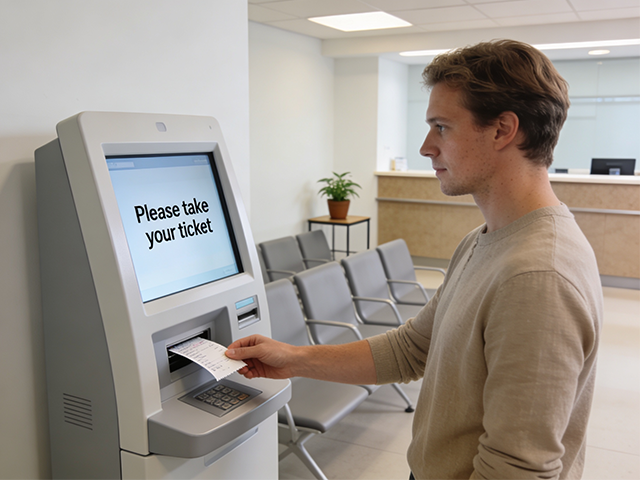
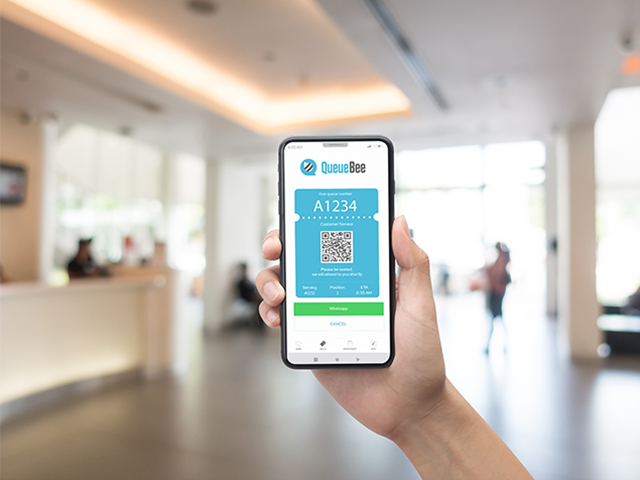
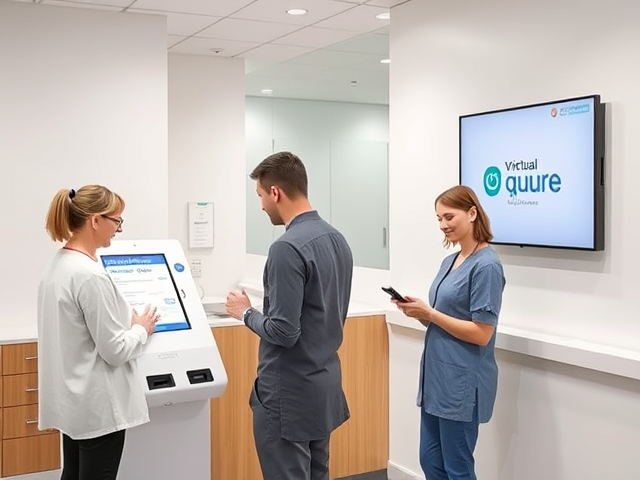

Research shows that most patients begin to feel anxious after just five to ten minutes of waiting. In a busy clinic, where consultations can be delayed by unforeseen complications or overlapping appointments, this window is often exceeded. A modern queuing system helps clinics manage wait times more effectively by providing accurate estimates and allowing staff to prioritise patients based on urgency and service type.
When patients know their approximate wait time and can plan accordingly, their stress levels decrease significantly. This is especially important in healthcare settings where patients may already be feeling unwell or anxious about their condition. By keeping wait times predictable and within acceptable ranges, a queuing system demonstrates respect for patients' time and contributes to a more positive customer experience.
Implementing a virtual queuing system takes this further by eliminating the need for patients to physically wait in crowded waiting rooms. Patients can wait at home, at work, or anywhere convenient, and receive notifications when it is their turn. This not only reduces perceived wait times but also frees up clinic space and improves the overall environment for both patients and staff.
Communication is perhaps the most critical factor in managing patient expectations. When patients are left without information about their position in the queue or how long they will need to wait, frustration builds quickly. A well-designed queuing system solves this problem by providing real-time updates through multiple channels.
Imagine a system where patients receive automatic updates about their queue status via SMS, WhatsApp, or email. Instead of sitting in uncertainty, they are kept informed every step of the way. This transparency delivers several key benefits:
By integrating seamless communication into the queuing process, clinics can keep patients informed and engaged throughout their visit. Whether through a mobile app, digital displays in the waiting area, or automated notifications, patients stay connected to their service journey. This not only smooths out the waiting experience but also reinforces the clinic's commitment to excellent customer experience.
In a busy clinic, managing the flow of patients is essential for maintaining a safe, comfortable, and efficient environment. It is about ensuring that every patient is guided smoothly through their visit, reducing bottlenecks, and creating an orderly atmosphere that supports both clinical and administrative operations.
Efficient crowd management is vital for any healthcare facility. It is not just about guiding patients from one point to another; it is about creating an orderly, comfortable environment where patients feel respected and valued. This approach does not just solve logistical issues; it enhances the entire patient journey, making visits smoother and more enjoyable.

In today's competitive healthcare landscape, outstanding patient service is not optional; it is essential. It is the difference between a patient who returns and one who walks away. Here is how an effective queuing system plays a crucial role in elevating patient service standards:
Effective patient service is a continuous journey of understanding and responding to patient needs. Implementing a robust queuing system is a powerful step in this journey, ensuring that every interaction counts towards building a strong, lasting relationship with your patients and enhancing the overall customer experience.

Consider the daily reality of clinic staff managing patient flow without a proper system. Doctors and nurses are constantly interrupted by patients asking about wait times, frustrated by disorganisation, and forced to deal with complaints about long queues. This is not just an operational inconvenience; it is a significant drain on staff morale and clinical focus.
When staff are constantly managing queue-related issues, their ability to deliver quality patient care is compromised. The stress of dealing with unhappy patients, combined with the pressure of keeping up with unpredictable patient volumes, can lead to burnout and reduced service quality. This is a cycle that is difficult to break without the right tools.
This is where a modern patient queue system can make a world of difference. By streamlining the patient flow process and keeping patients informed, much of this stress can be alleviated. No more dealing with the frustration of patients caught off guard by long waits or unclear service order.
Imagine a system where patients know exactly what to expect and when. They are less likely to take out their frustration on staff because they are not caught in an endless loop of uncertainty. This kind of transparency does not just help patients; it takes a load off the staff too.
And when staff are not constantly putting out fires caused by poor patient flow and communication, they are free to do what they do best: provide excellent patient care. They can focus on enhancing the patient experience, personalising interactions, and building stronger relationships with patients. This not only improves morale among the clinical team but also elevates the overall quality of service delivered.
In healthcare management, inefficiencies are more than just inconveniences; they directly impact the clinic's bottom line. Poor patient flow leads to wasted staff time, increased no-show rates, and lost revenue from patients who leave without being seen. Consider a clinic where patients abandon their wait due to long queues; each walk-away represents not just a lost consultation but also a potential long-term patient.
A well-implemented queuing system addresses these inefficiencies directly:
The impact of a system like QueueBee's patient queue system can be substantial. By improving productivity and efficiency, it opens the door to significant operational cost savings. When patient flow is managed effectively, clinics can serve more patients per day without compromising quality, turning what was once a bottleneck into a competitive advantage.
A modern queuing system does more than just manage patient lines; it provides valuable data across the entire patient journey. This data is key to making smarter, more informed decisions that improve both patient flow and the overall customer experience in your clinic.
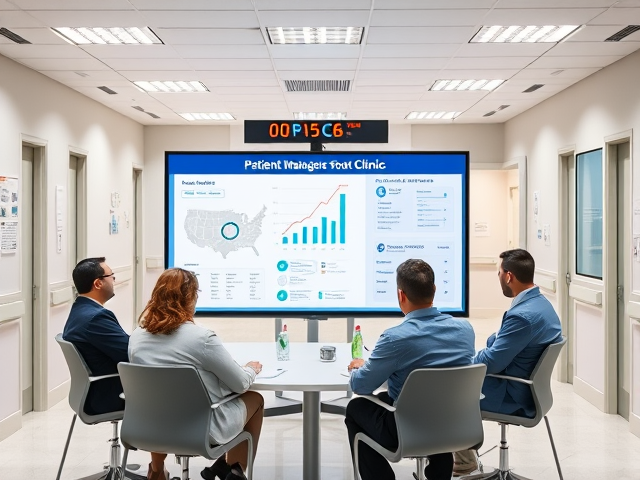
Data-driven insights transform patient flow management from a reactive process into a proactive strategy. When you understand your patient patterns, you can optimise every aspect of the queuing system to deliver the best possible customer experience while maintaining operational excellence.
To understand the real impact of implementing a queuing system in a busy clinic, consider the experience of a mid-sized general practice that was struggling with patient flow management. Before implementing a patient queue system, the clinic faced daily challenges including overcrowded waiting rooms, inconsistent wait times ranging from 15 minutes to over 90 minutes, and frequent patient complaints about the lack of communication.
After implementing QueueBee's queuing system, the clinic saw immediate and measurable improvements:
This transformation demonstrates that improving patient flow is not just about technology; it is about creating a better experience for everyone involved. A well-designed queuing system benefits patients through shorter waits and clearer communication, benefits staff through reduced stress and more predictable workloads, and benefits the clinic through improved efficiency and patient retention.
Ready to improve patient flow in your busy clinic? Discover how QueueBee's queuing system can revolutionise your patient management, reduce wait times, and enhance the overall customer experience. From virtual queueing to real-time communication and data-driven insights, QueueBee provides the tools you need to deliver exceptional patient service. Contact us today for a personalised solution tailored to your clinic's needs.


Security | Quality | Reliability