
Every retail business dreads the same nightmare: the doors burst open on Black Friday, holiday weekends, or seasonal sales, and suddenly the store is packed beyond capacity. Long lines stretch past the checkout counters, customers grow restless, and staff scramble to keep up. For retailers, peak season is both a golden opportunity and a logistical nightmare. The key to turning chaos into profit lies in one thing — the customer experience.
When crowds surge, the difference between a thriving season and a disastrous one comes down to how well a business manages its queue system. Shoppers today expect speed, clarity, and respect for their time. A smart queue system doesn't just reduce frustration; it transforms the entire shopping journey, ensuring that every customer feels valued from the moment they walk through the door.
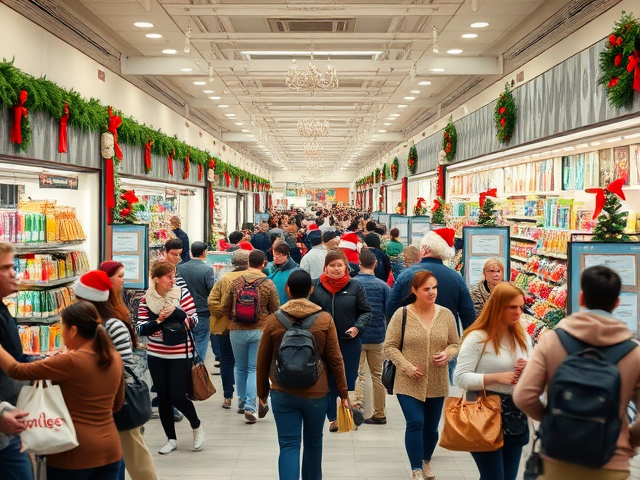
Peak seasons account for a massive portion of annual retail revenue. During holidays, flash sales, and seasonal promotions, foot traffic can multiply by five or ten times the normal volume. Without proper crowd management, that influx becomes a liability. Long queues lead to abandoned carts, frustrated shoppers, and negative reviews that linger long after the season ends.
But the impact goes beyond lost sales. A poor customer experience during peak periods damages brand reputation. Shoppers who endure hours of waiting are far less likely to return, and in today's social media-driven world, one bad experience can spread faster than any advertisement. Retailers who invest in a reliable queue management system protect their revenue, their reputation, and their relationship with customers.
Not all queue systems are built the same. Smart retailers choose the approach that fits their store layout, customer base, and operational capacity.
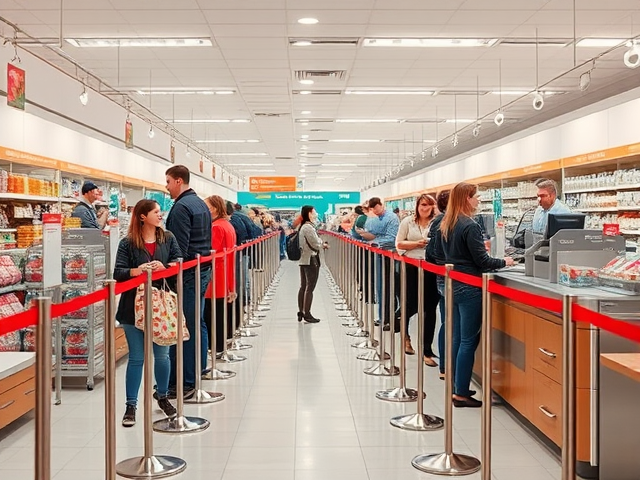
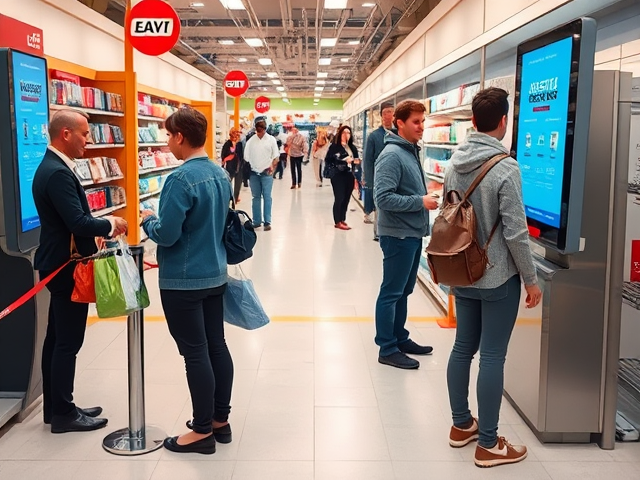
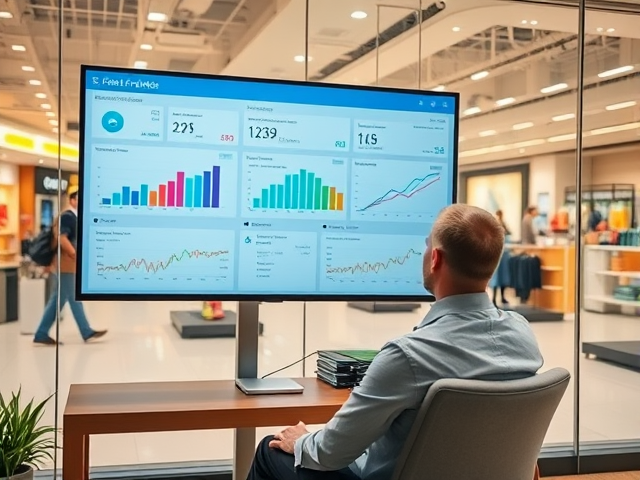
Successful retailers don't wait for the crowd to arrive — they anticipate it. By analysing historical sales data, foot traffic patterns, and seasonal trends, businesses can predict peak periods with remarkable accuracy. This foresight allows them to adjust staffing, stock levels, and queue infrastructure well before the rush begins.
A queue management system equipped with analytics dashboards turns raw data into actionable intelligence. Retailers can identify which days, hours, and departments experience the heaviest traffic, then allocate resources proactively. When you know the crowd is coming, you're no longer reacting — you're leading.
This preparation phase is where the customer experience is truly built. Shoppers who walk into a store that is already prepared for the rush notice the difference immediately. Staff are calm, checkout lanes are open, and the overall atmosphere feels controlled rather than chaotic.
Even the best predictions can't account for every variable. A sudden promotion, a viral social media post, or an unexpected weather shift can send foot traffic soaring overnight. This is where real-time crowd management becomes essential for maintaining the customer experience.
A smart queue system monitors live queue lengths, service times, and customer density across the store. When bottlenecks form, the system alerts managers instantly, enabling rapid adjustments. Here's how real-time flow management improves the retail environment:
Real-time management transforms peak season from a crisis into a controlled operation. Retailers who master this skill turn what could be a chaotic shopping experience into a smooth, enjoyable one — and that is the foundation of a lasting customer experience.
Technology alone cannot manage a peak season crowd. Retailers must pair smart systems with smart people management. During high-traffic periods, staff allocation becomes one of the most critical factors in maintaining service quality and the customer experience.
Effective staff allocation during peak hours is not just about having more bodies on the floor. It is about deploying the right people, in the right places, at the right time. A queue management system provides the visibility needed to make those decisions confidently.
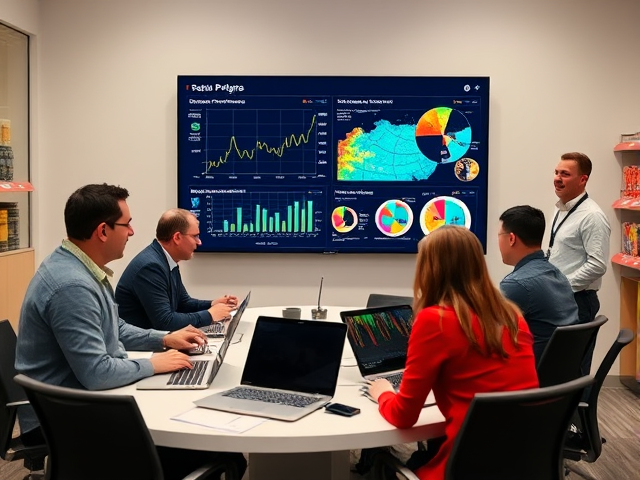
The best retailers don't just survive peak season — they learn from it. Every queue, every checkout, and every customer interaction generates data that can be used to improve future performance. A modern queue management system captures this data automatically, turning raw numbers into strategic advantages.
Data-driven decision making is what separates reactive retailers from proactive ones. When you understand your numbers, you can predict problems before they happen, allocate resources more efficiently, and continuously refine the customer experience throughout every peak season.
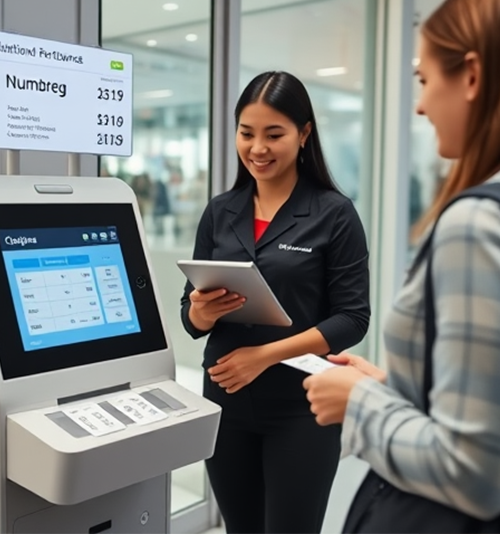
Manual crowd management relies on human observation and instinct. While experience matters, it is not scalable. Automated queue management systems bring consistency, speed, and precision to every aspect of peak season operations.
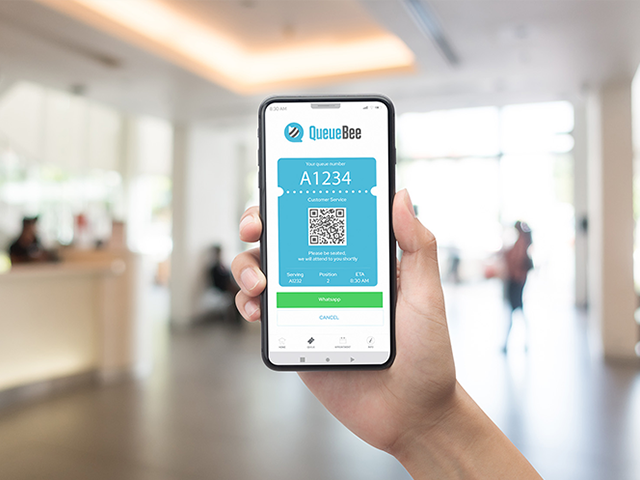
QueueBee's queue management system automates ticket distribution, real-time queue monitoring, and customer notifications. When a shopper arrives during a busy period, the system instantly assigns them a place in line, sends them an estimated wait time, and alerts staff when their turn approaches. This level of automation removes guesswork and ensures that no customer is left waiting in uncertainty.
For retailers managing multiple departments or locations, a unified queue system provides a single dashboard to monitor all operations. Managers can compare performance across stores, identify underperforming locations, and implement best practices company-wide. Technology doesn't just manage the crowd — it empowers the entire organisation to operate at peak efficiency.
When technology handles the logistics, staff are free to focus on what they do best: engaging with customers, answering questions, and delivering the personal touch that defines a great retail experience.
Every customer who walks out of a store without making a purchase because the queue was too long represents lost revenue. During peak season, these walk-aways add up to thousands — or even millions — in missed sales. The cost of poor queue management is not just frustration; it is a direct hit to the bottom line.
QueueBee's smart queue system addresses this problem at its root. By offering virtual queuing, customers can join a queue from anywhere — from their car in the parking lot, from a nearby café, or even from home. They are no longer forced to choose between waiting in line and leaving the store entirely. This flexibility alone can recover a significant percentage of otherwise lost sales.
The financial impact of an effective queue system is measurable. Retailers who implement a smart queue system report significant reductions in walk-away rates, higher average transaction values, and improved customer retention. When you eliminate the friction of waiting, you unlock revenue that was previously lost to frustration.
Peak season is a test. It reveals whether a retailer's customer experience is built on solid foundations or temporary fixes. Retailers who invest in a reliable queue management system don't just survive the rush — they emerge stronger, with happier customers, more efficient operations, and a competitive edge that lasts year-round.
Ultimately, peak season crowd management is not just about handling more people. It is about treating every person with respect, efficiency, and care. When retailers prioritise the customer experience through a smart queue system, they build relationships that extend far beyond a single shopping trip. And in retail, relationships are the most valuable asset of all.
Ready to turn peak season chaos into a smooth, profitable shopping experience? Discover how QueueBee's smart queue system and queue management software can help your retail business handle crowds efficiently, reduce walk-aways, and deliver an exceptional customer experience every time.
Contact us today for a personalised solution.


Security | Quality | Reliability