
For decades, government service centers have been synonymous with long physical lines, crowded waiting rooms, and unpredictable service times. Citizens visiting municipal offices, tax agencies, or licensing departments often face hours of idle waiting, leading to frustration, missed work hours, and declining trust in public institutions. The traditional queue model simply cannot keep pace with the expectations of modern, digitally-native citizens who demand efficiency, transparency, and convenience.
Enter the digital queue management system. By replacing paper tickets and physical lines with smart queue system technology, government agencies can now offer seamless, appointment-style service experiences without requiring citizens to book specific time slots. This transition not only modernizes public service delivery but also restores confidence in government operations by prioritizing citizen time and comfort.
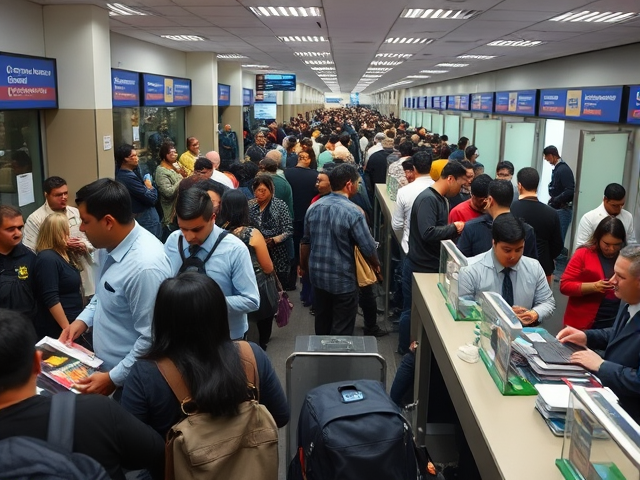
Government service centers operate under unique pressures: high foot traffic, complex multi-step procedures, and diverse citizen needs. When managed manually, these environments quickly become chaotic. Long physical queues create bottlenecks at security checkpoints, information desks, and service counters, causing stress for both visitors and frontline staff.
Moreover, the lack of real-time visibility means citizens have no idea how long they will wait or which counter to approach. This uncertainty leads to higher walk-away rates, increased complaint volumes, and unnecessary strain on public resources. Transitioning to a smart queue system eliminates these friction points by digitizing the entire waiting experience.
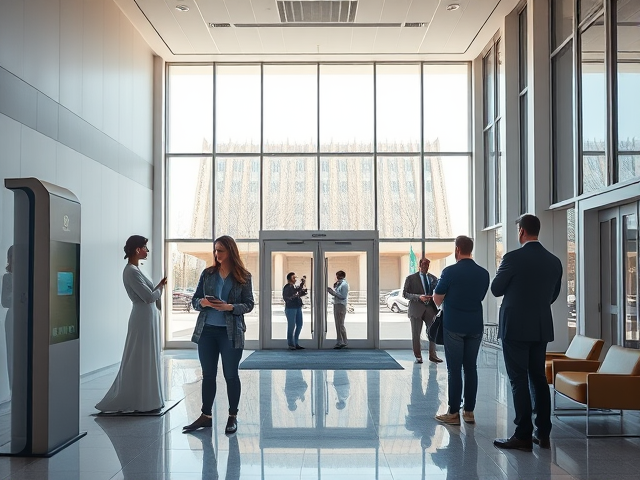
Government buildings were rarely designed to handle modern peak-hour foot traffic. When citizens arrive for routine services like permit renewals or document verification, overcrowded lobbies become a safety and comfort hazard. A virtual queue system allows citizens to join the line remotely via mobile apps, web portals, or on-site kiosks, then wait comfortably elsewhere until their turn arrives.
This smart queue system approach drastically reduces lobby congestion, improves air circulation and security compliance, and ensures that only the necessary number of citizens occupy the building at any given time. Public spaces become functional again, serving their intended purpose rather than acting as temporary holding areas.
By implementing a queue management system that supports remote check-ins, government agencies can transform chaotic waiting rooms into streamlined service corridors, significantly improving the overall civic experience.
One of the most frustrating aspects of government service delivery is the complete lack of visibility. Citizens have no idea how many people are ahead of them, how long the wait will be, or whether their documents are complete. This information vacuum breeds anxiety and erodes trust in public institutions.
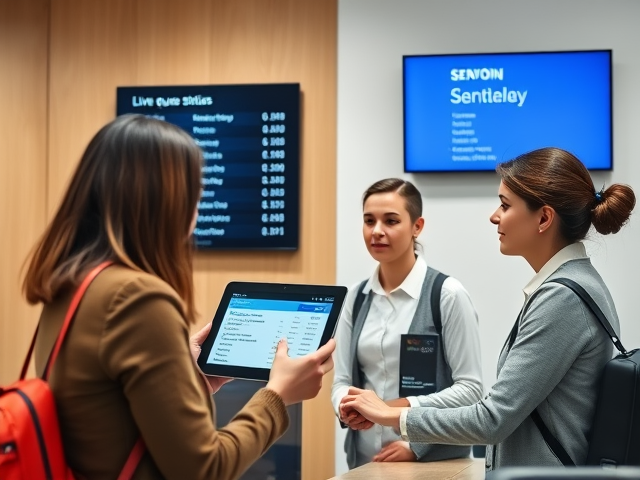
A modern queue management system solves this by providing real-time status updates directly to citizens via SMS, email, or mobile notifications. When a citizen joins the virtual queue, they receive an estimated wait time, live position tracking, and alerts when their turn is approaching. This transparency transforms uncertainty into predictability.
Furthermore, digital displays inside the facility can show queue progress, service counter availability, and estimated processing times. This open communication model fosters accountability, reduces front-desk inquiries, and allows staff to focus on service delivery rather than crowd control.
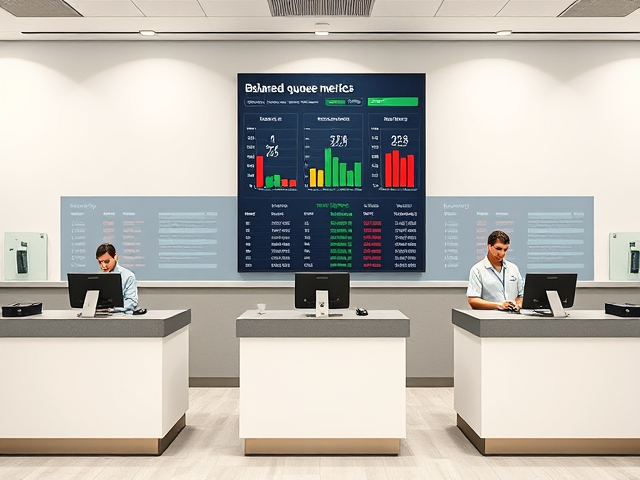
Government service centers often struggle with uneven staff workloads. Some counters remain idle while others are overwhelmed, leading to bottlenecks and inconsistent service quality. A smart queue system dynamically routes citizens to the most appropriate and available service point based on their request type, priority, and staff capacity.
Administrators can monitor live queue metrics, redistribute staff in real-time, and trigger overflow protocols when demand spikes. This intelligent routing ensures that every citizen is matched with the right officer, reducing processing errors and accelerating service completion.
When combined with automated ticketing and digital document verification, the queue management system becomes a central nervous system for government service delivery, maximizing human resources and minimizing idle time.
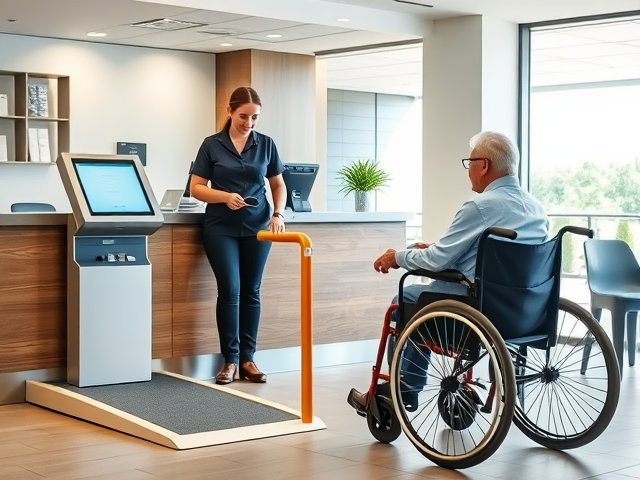
Government services must be accessible to all, regardless of age, mobility, or technological proficiency. Traditional queuing systems often disadvantage elderly citizens, individuals with disabilities, and those without reliable smartphone access. A well-designed queue system addresses this gap by offering multi-channel entry points.
Citizens can join the virtual queue via SMS, web browsers, on-site kiosks, or even through third-party government portals. Priority queuing rules can be automatically applied for seniors, pregnant women, or persons with disabilities, ensuring equitable treatment without manual intervention. This inclusive approach aligns with public sector mandates for universal accessibility and digital equity.
By removing physical barriers and offering flexible participation methods, the smart queue system ensures that government services remain citizen-centric and legally compliant.
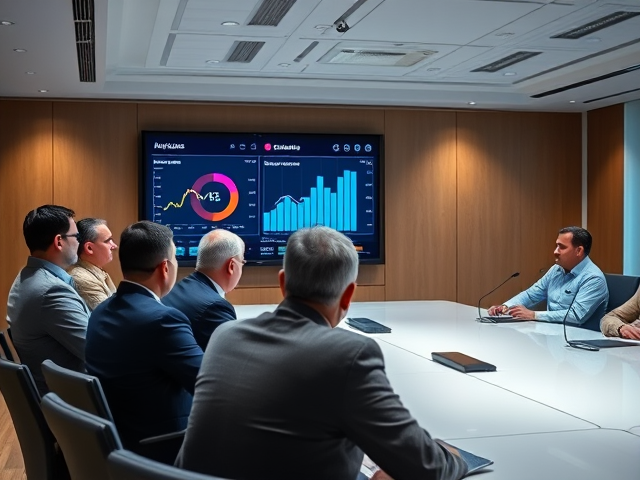
Government agencies operate in an era where data transparency and performance metrics are increasingly scrutinized. Manual queuing leaves administrators blind to peak hours, service duration, citizen demographics, and bottleneck locations. A digital queue management system captures comprehensive analytics across every interaction.
Leaders can generate reports on average wait times, counter utilization rates, peak demand periods, and citizen satisfaction scores. This data empowers policymakers to adjust operating hours, reallocate budgets, redesign service layouts, and implement targeted outreach campaigns. Instead of guessing where improvements are needed, agencies can make evidence-based decisions that directly impact public trust and operational efficiency.
Over time, these insights drive continuous service optimization, ensuring that taxpayer resources are deployed where they matter most.
Many citizens visit government centers for multiple services across different departments. Traditionally, this means standing in separate lines for each agency, repeating document submissions, and wasting valuable time. A unified queue system integrates multiple departments into a single digital ecosystem, allowing citizens to request cross-agency services through one virtual queue.
When a citizen completes a task at one counter, the system can automatically route them to the next required department without requiring a new ticket or physical re-queue. This seamless handoff reduces processing time, minimizes administrative redundancy, and creates a true one-stop service experience.
For regional and national governments looking to consolidate public services, the queue management system serves as the foundational layer for integrated civic operations.
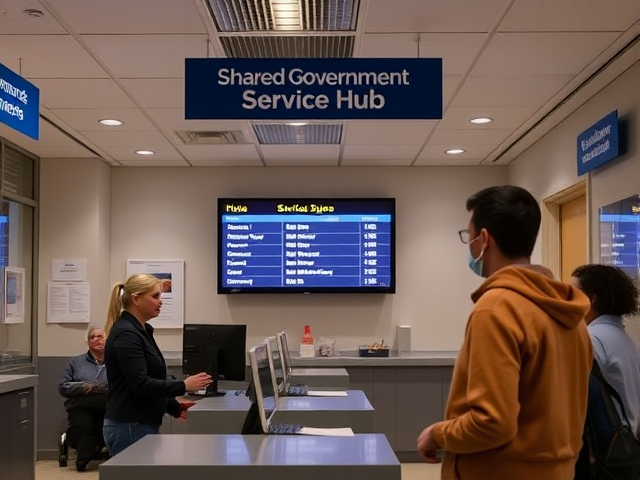

Government service demands are constantly evolving. Population growth, policy changes, and emerging civic needs require infrastructure that can scale without massive capital reinvestment. A cloud-based smart queue system is inherently scalable, allowing agencies to add new service counters, integrate with e-government portals, or expand to satellite locations with minimal friction.
As digital transformation accelerates, agencies that rely on legacy queuing methods will struggle to meet modern service standards. Those that adopt a flexible queue management system position themselves at the forefront of public sector innovation, capable of adapting to future technologies like AI-driven routing, biometric verification, and automated document processing. Investing in digital queuing today is not just an operational upgrade; it is a strategic commitment to long-term civic excellence.
Citizens deserve faster, fairer, and more transparent public services. QueueBee’s queue management system is purpose-built for government agencies, municipal offices, and public service centers seeking to eliminate physical congestion, optimize staff workflows, and deliver data-driven civic experiences. Replace outdated queuing methods with a scalable, secure, and citizen-friendly digital solution. Contact us today to schedule a personalized government service demo.


Security | Quality | Reliability