
Businesses today are constantly adapting to new technologies and changing customer expectations. As service environments grow busier and more complex, traditional queue systems are no longer enough. This has led to the rise of smart queue system, where digital queues, real-time insights, and AI-enabled capabilities work together to deliver smoother, more efficient service experiences.
Rather than replacing staff, smart queue system enhances operations through intelligent support, helping teams deliver better service while managing high volumes efficiently.
AI integration is becoming essential for organisations that want to stay competitive and deliver consistent, high-quality service.
Customers increasingly expect faster service, clear communication, and personalised experiences, which can be expectations that are difficult to meet without intelligent systems. Smart Queue System with AI integration help with these needs by:
By integrating AI into queue management, organisations can optimise service flow, improve customer satisfaction, and scale operations efficiently.
AI cannot function effectively without structure and data. Smart queue system provides both.
By digitising queues, capturing feedback, and tracking service flow, organisations create the foundation for intelligent insights and future enhancements. Whether in retail, healthcare, government, education, or F&B, smart queues enable services to become more responsive, scalable, and customer-centric.
AI in queue management is not about full automation or eliminating human interaction. Instead, it acts as a supporting layer—helping organisations interpret data, anticipate demand, and optimise service flow.
Within smart queue system, AI-enabled capabilities can support:
By assisting with decision-making, AI helps teams stay proactive while maintaining control over operations.
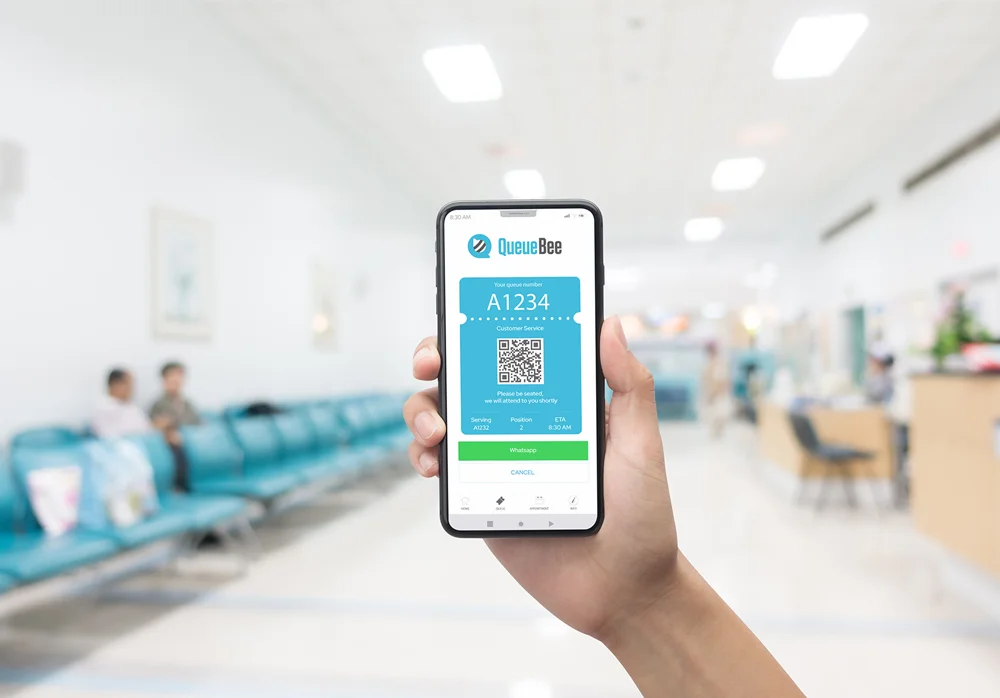

One common concern around AI is whether it replaces human roles. In service environments, the opposite is often true. AI helps:
Smart queue system with the support of AI, allows staff to focus on what matters the most: delivering quality service and meaningful customer interactions.
AI in queue management is not about overnight transformation. It is about building smarter service operations step by step.
By starting with smart queue system and adopting AI-assisted features where they add real value, organisations can improve customer experiences today—while staying ready for what comes next.
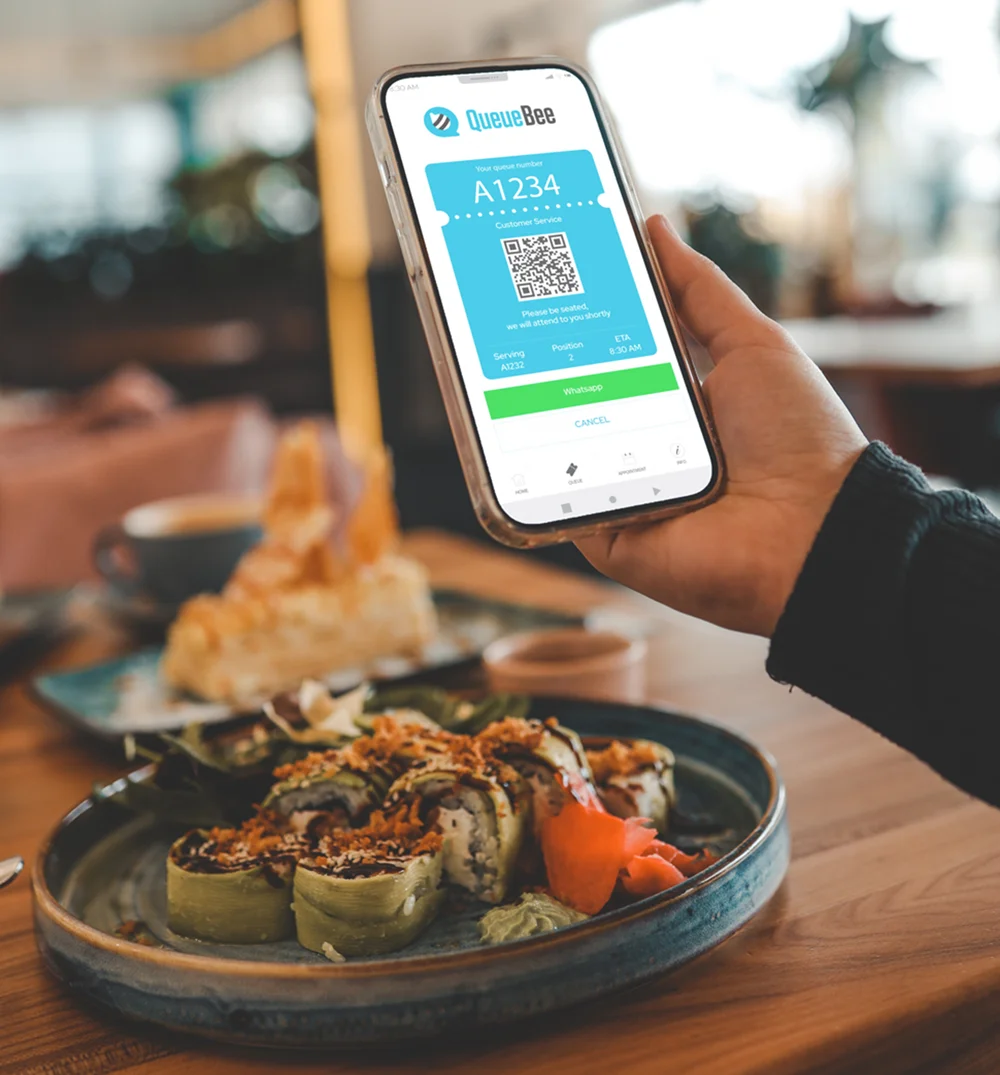
Ready to revolutionise your customer service? Discover how
QueueBee’s
Queue Management and Appointment Booking Systems can transform your business
operations.
Contact us today for a personalised solution!


Security | Quality | Reliability