
Walk into any busy retail store during peak hours and you will see it — the long line snaking past the checkout counters, customers checking their watches, and staff overwhelmed by the sheer volume of shoppers. For retail chains operating across multiple locations, this is not just an inconvenience; it is a systemic problem that directly impacts revenue, brand reputation, and customer loyalty.
Modern shoppers expect speed, convenience, and a seamless customer journey from the moment they enter a store to the moment they leave. When retail queuing systems fail to deliver, the consequences are immediate: abandoned carts, frustrated shoppers, and negative online reviews that spread faster than any marketing campaign can repair. The good news is that digital queue management has evolved into a powerful tool that retail chains can deploy across every branch to transform the shopping experience.
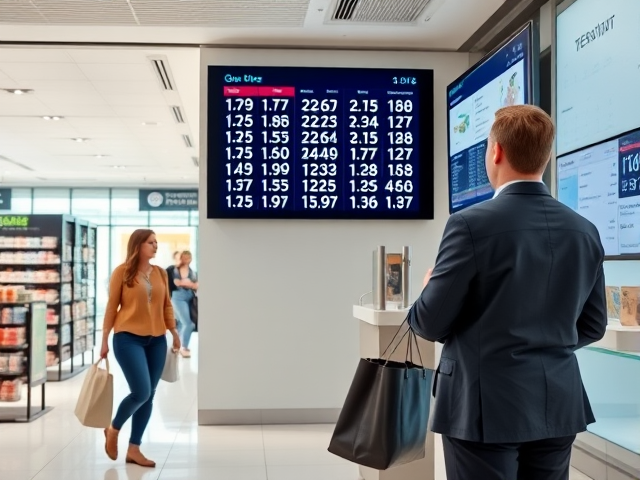
Multi-location retail businesses face unique operational challenges that single stores simply do not encounter. Foot traffic varies dramatically between branches, peak hours differ by region, and customer expectations are shaped by the best digital experiences available anywhere. Without a unified queuing system, each store becomes an island — managing queues manually, losing data, and delivering inconsistent service quality.
A centralized retail queuing system solves this fragmentation. It gives headquarters real-time visibility into every branch, standardizes the customer journey across all locations, and provides the data needed to make intelligent staffing and operational decisions. Chains that adopt digital queue management do not just reduce wait times; they build a scalable infrastructure for growth.
How Modern Retail Queuing Systems Work
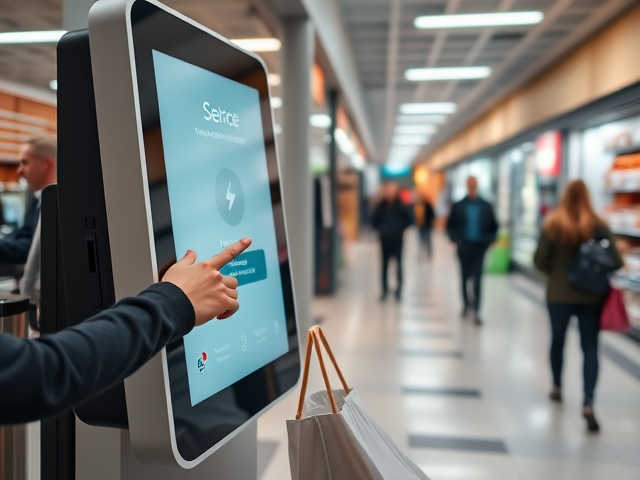

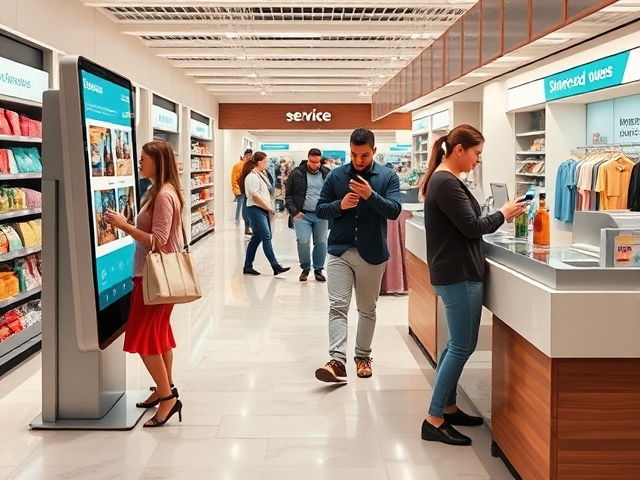
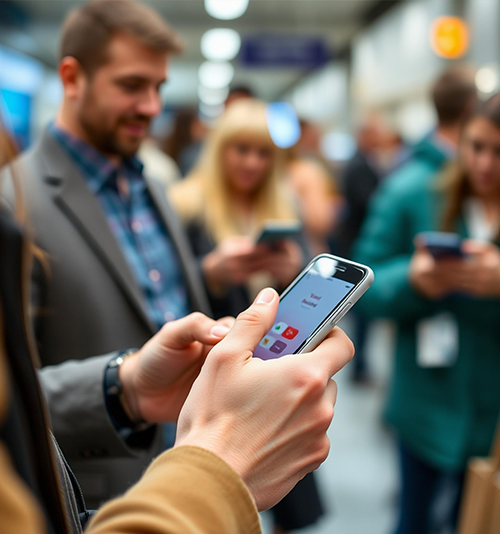
Research shows that shoppers will abandon a purchase if the wait exceeds six minutes. For retail chains, even a one-minute reduction in average queue time can translate into millions in recovered revenue annually. Retail queuing systems address this by intelligently routing customers to the fastest available service point, dynamically adjusting to real-time foot traffic patterns.
When a queuing system is deployed chain-wide, headquarters can monitor wait times at every location simultaneously. Branches that consistently exceed target thresholds trigger automatic alerts, enabling regional managers to deploy additional staff or reconfigure service lanes before customers even notice a problem. This proactive approach turns queue management from a reactive headache into a competitive advantage.
The result is a smoother customer journey from entrance to exit. Shoppers spend less time standing in line and more time browsing, trying products, and completing purchases — directly boosting conversion rates and average transaction value across the entire chain.
Uncertainty is the enemy of customer experience. When shoppers do not know how long they will wait or where to go next, anxiety builds and satisfaction plummets. A modern queuing system eliminates this uncertainty by delivering transparent, real-time updates through multiple channels.
Here is how retail chains use communication to elevate the customer journey:
By integrating seamless communication into the retail queuing system, chains transform what was once a frustrating wait into a controlled, predictable experience. Customers feel informed, respected, and valued — qualities that directly strengthen brand loyalty and drive repeat visits.
One of the most powerful but underutilized advantages of a queuing system is the wealth of operational data it generates. Every transaction, every wait time, and every peak hour is captured and analyzed, giving retail chain managers unprecedented visibility into store performance.
When retail queuing systems feed data into workforce management platforms, chains stop guessing and start optimizing. Staffing becomes precise, labor costs are controlled, and customer experience improves simultaneously — a rare trifecta in retail operations.
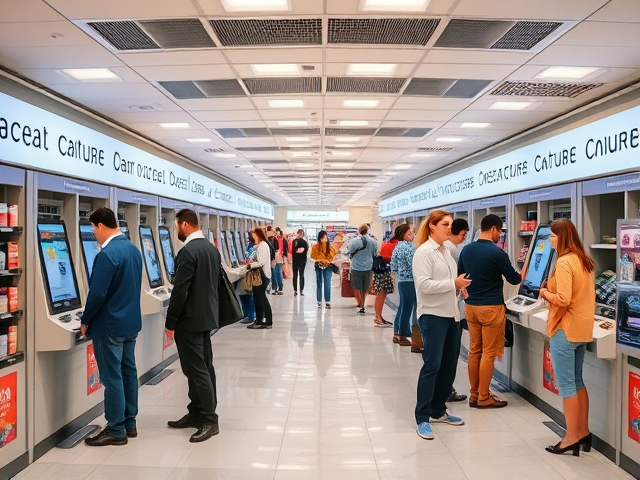
For retail chains, consistency is everything. A customer who has a great experience at one branch should expect the same quality at every other location. Retail queuing systems enforce this consistency by standardizing the queue experience, regardless of store size, location, or local management style.
A well-implemented queuing system does more than manage lines; it orchestrates the entire customer journey. From the moment a shopper decides to visit to the moment they leave and return again, every touchpoint is designed to build trust, delight, and long-term loyalty.
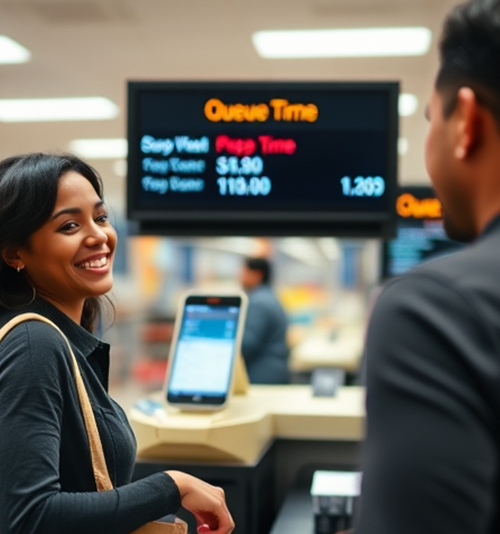
Every minute a customer spends waiting is a minute they could be spending browsing, comparing products, or completing a purchase. Industry studies estimate that retail chains lose between 15 and 30 percent of potential sales due to long queues and poor wait management. For a mid-sized chain with hundreds of locations, that number translates into millions of dollars in lost revenue every year.
A modern retail queuing system attacks this problem from multiple angles. Virtual queueing allows shoppers to join a line without abandoning the store premises. Dynamic lane management redirects customers to the fastest checkout option in real time. And predictive analytics enable stores to open additional lanes before congestion even forms.
But the impact goes beyond immediate sales recovery. When customers know a retail chain respects their time, they return more frequently, spend more per visit, and recommend the brand to others. The queuing system becomes a silent sales engine, working behind the scenes to protect and grow revenue at every branch.
Chains that invest in digital queue management consistently report higher basket sizes, improved customer retention rates, and stronger Net Promoter Scores. The return on investment is measurable, repeatable, and scalable across the entire network.
One of the greatest advantages of a digital queuing system for retail chains is centralized management. Instead of each branch operating in isolation, headquarters gains a single dashboard that displays queue performance, wait times, staff utilization, and customer satisfaction scores across every location.
Centralized control transforms queue management from a local operational task into a strategic corporate capability. Retail chains can scale rapidly, open new locations with confidence, and maintain service excellence without proportional increases in management overhead.
The retail landscape is evolving faster than ever. E-commerce, mobile shopping, and contactless payments are reshaping how customers interact with physical stores. A modern retail queuing system must adapt to this changing environment by offering deep integration capabilities and automation features.
By integrating retail queuing systems with the broader technology stack, chains create a connected retail ecosystem where data flows freely, automation handles routine tasks, and staff focus on high-value customer interactions. This is the foundation of the modern smart store — and the future of retail operations.

Implementing a queuing system is only the first step. Retail chains must track the right key performance indicators to ensure the investment delivers measurable returns. The most impactful metrics include:
When retail queuing systems are paired with rigorous KPI tracking, chains can continuously optimize operations, demonstrate ROI to stakeholders, and maintain a relentless focus on the customer experience that drives long-term growth.
Ready to eliminate long queues, recover lost revenue, and deliver a seamless customer journey across every branch? QueueBee's retail queuing system provides the digital infrastructure multi-location chains need to compete in today's fast-paced retail landscape.
Contact us today for a personalized demo and see how our queuing system can transform your operations.


Security | Quality | Reliability