
Walk into any busy insurance office and you will likely see the same scene: policyholders waiting in long lines, confused about which counter to approach next, and growing increasingly frustrated as the clock ticks. For insurance professionals, this is not just an inconvenience — it is a serious operational challenge that directly impacts customer experience, staff productivity, and ultimately, the bottom line.
Insurance offices handle a wide variety of customer interactions, from new policy inquiries and claims processing to renewals and beneficiary consultations. Each of these services requires different levels of attention, expertise, and time. Without a structured approach to managing customer flow, offices struggle to deliver consistent service quality, leading to bottlenecks, longer wait times, and dissatisfied clients who may take their business elsewhere.

Insurance is a service-driven industry where trust and efficiency are paramount. When customers visit an insurance office, they are often dealing with sensitive matters — health claims, property damage, life insurance decisions, or financial planning. The last thing they need is to feel like just another number in a chaotic waiting area.
Effective customer flow management ensures that every policyholder receives timely, organized, and professional service. It reduces perceived wait times, eliminates confusion about where to go and what to do next, and creates a calm, controlled environment that reflects the professionalism of the insurance brand. In an industry where customer retention is critical, the difference between a smooth visit and a frustrating one can determine whether a client stays or switches providers.
Modern insurance offices can choose from several queue management approaches depending on their size, location, and customer base.
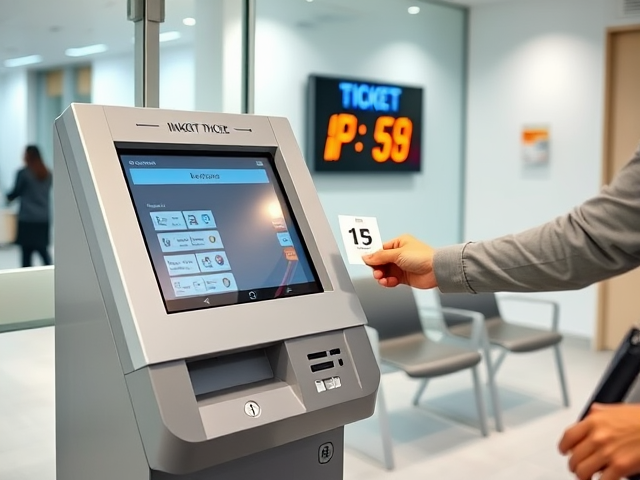

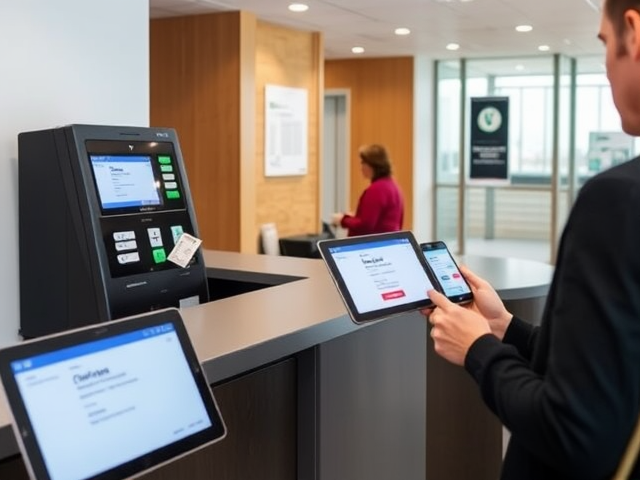

Research shows that most customers begin to feel impatient after just five to ten minutes of waiting. For insurance offices, where policyholders are often dealing with time-sensitive matters like claims, renewals, or policy changes, even a short wait can feel like an eternity. Long queues not only frustrate customers but also create a negative perception of the insurance brand.
A well-implemented queue management system directly addresses this challenge by organizing customer flow, setting realistic expectations, and ensuring that service counters are utilized efficiently. When customers know their place in line and receive accurate wait time estimates, their anxiety decreases significantly. This is especially important in insurance, where trust and transparency are foundational to the customer relationship.
By integrating a virtual queue management system, insurance offices can further reduce perceived wait times by allowing customers to wait off-site and receive real-time updates through SMS or app notifications. This approach not only improves customer experience but also frees up valuable physical space inside the office.
Communication is the backbone of any successful insurance office. When customers are kept in the dark about their wait status, frustration builds quickly. A modern queue management system bridges this gap by providing real-time updates and transparent information throughout the customer journey.
Here is how improved communication through a queue system benefits insurance offices:
By integrating seamless communication into the queuing process, insurance offices can turn what was once a source of frustration into an opportunity for positive engagement. Whether through digital displays, mobile notifications, or SMS alerts, keeping customers informed is a simple yet powerful way to elevate the customer experience.
Insurance offices often deal with fluctuating foot traffic. Some days may see a surge in policy inquiries, while others may be quieter. Without proper crowd management, these fluctuations can lead to overcrowding in certain service areas and idle counters in others. A queue management system helps balance customer flow across all service points.
Efficient crowd management is not just about logistics — it is about creating an environment where customers feel respected, valued, and well-cared for. This is especially critical in insurance, where the emotional weight of policy decisions and claims can make a smooth visit even more meaningful.

In the insurance industry, customer service is the primary differentiator between competing providers. A queue management system plays a crucial role in elevating service standards by ensuring that every policyholder receives consistent, timely, and professional attention.
Effective customer service in insurance is a continuous journey of understanding and responding to policyholder needs. Implementing a robust queue management system is a powerful step in this journey, ensuring that every interaction contributes to building a strong, lasting relationship with your customers.

Insurance office staff already carry the emotional weight of helping customers through difficult moments — whether it is a car accident claim, a health diagnosis, or a property loss. Adding the stress of managing chaotic queues and dealing with frustrated customers on top of that can be overwhelming.
When customers are left waiting without clear information, they often direct their frustration toward the staff. This is not fair to the insurance agents and support personnel who are simply trying to do their jobs. A queue management system alleviates much of this pressure by organizing the flow of customers and keeping them informed.
A modern queue system streamlines the waiting process, reduces uncertainty, and allows staff to focus on what they do best — serving customers with empathy and expertise. When the queue is managed effectively, staff members experience less stress, higher morale, and the ability to deliver better service.
And when insurance staff are not constantly managing chaos, they are free to build genuine connections with policyholders, explain complex policy details clearly, and provide the personalized attention that insurance customers truly value. This not only improves staff retention but also elevates the overall quality of service delivered by the office.
Inefficiencies in customer flow management have a direct impact on the operational costs of an insurance office. Long queues lead to longer service times, more staff hours spent on crowd control, and missed opportunities to serve additional customers. Every policyholder who walks away due to a long wait represents a lost sale and a potential damage to the brand.
A well-designed queue management system addresses these inefficiencies by:
The financial impact of a queue management system can be substantial. By improving productivity and reducing operational waste, insurance offices can redirect saved resources toward customer service improvements, technology upgrades, and business growth initiatives.
A modern queue management system does more than organize lines — it generates valuable data across the entire customer journey. For insurance offices, this data is a powerful tool for making smarter, more informed operational decisions.

Data-driven decision making is no longer a luxury — it is a necessity for insurance offices that want to stay competitive. A queue management system transforms raw customer flow data into actionable insights that drive continuous improvement across every aspect of the office.
Ready to revolutionize the way your insurance office manages customer flow? Discover how QueueBee's queue management system can transform your operations, reduce wait times, and elevate the customer experience for every policyholder.
Contact us today for a personalized solution


Security | Quality | Reliability