
Healthcare facilities worldwide are facing unprecedented pressure to deliver faster, more efficient patient care. Long waiting corridors, overcrowded reception areas, and frustrated patients have become all too common in traditional hospital environments. The root of this challenge lies in how patients are managed from the moment they arrive until they receive treatment.
For decades, physical queue management healthcare was the only option available. Patients would arrive at the hospital, take a numbered ticket, and wait in a crowded waiting room. While this system worked in simpler times, modern healthcare demands something more sophisticated. Today, hospital administrators and healthcare leaders are comparing physical and hybrid queue systems for hospitals to determine which approach best serves their patients and staff.
The answer increasingly points toward hybrid queue solutions that combine the reliability of physical queuing with the flexibility of digital patient flow solutions. This comparison explores the key differences, advantages, and practical considerations to help healthcare facilities make an informed decision.
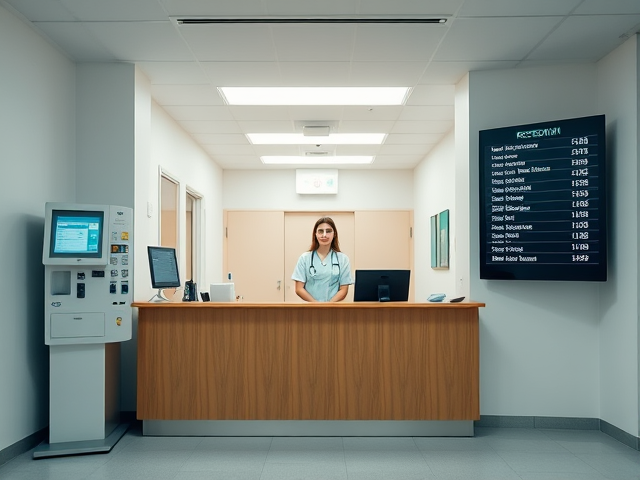
The healthcare industry operates under unique pressures that make queue management critically important. Unlike retail or banking, where a long wait might mean a lost sale, a long wait in a healthcare facility can mean delayed diagnosis, worsened patient outcomes, and increased stress for people who are already unwell.
When healthcare administrators compare physical and hybrid queue systems for hospitals, they are not just evaluating technology options. They are evaluating the future of patient experience, staff efficiency, and operational sustainability. The benefits of hybrid queuing in healthcare facilities extend far beyond convenience — they touch every aspect of care delivery, from registration desks to emergency departments to specialist clinics.
To make an informed comparison, it is essential to first understand what each system entails and how they function in a healthcare setting.
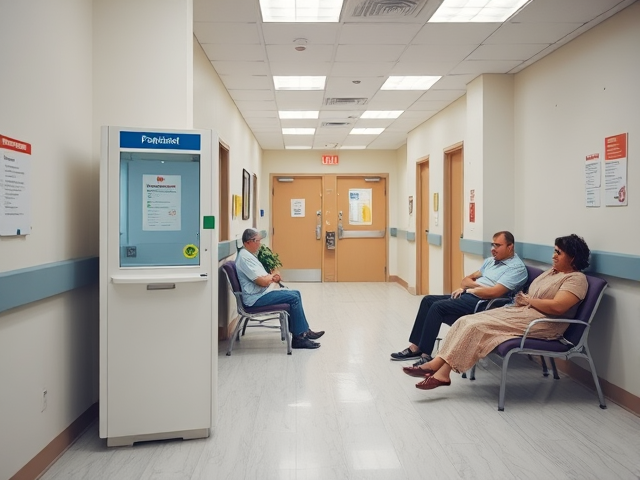
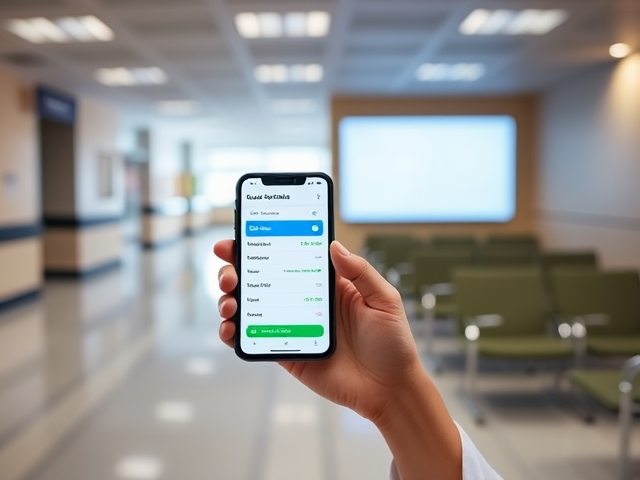
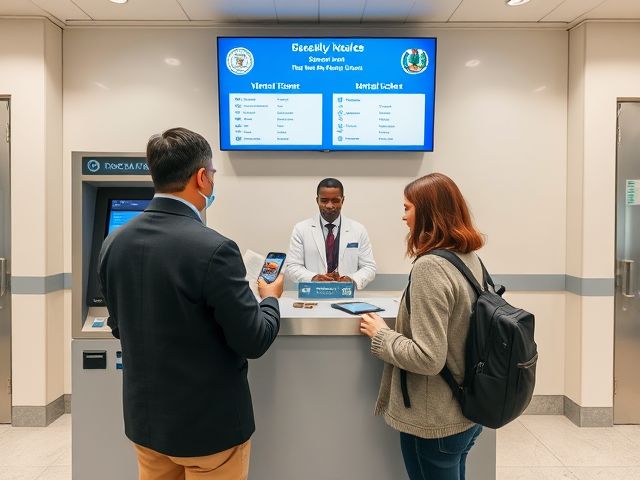
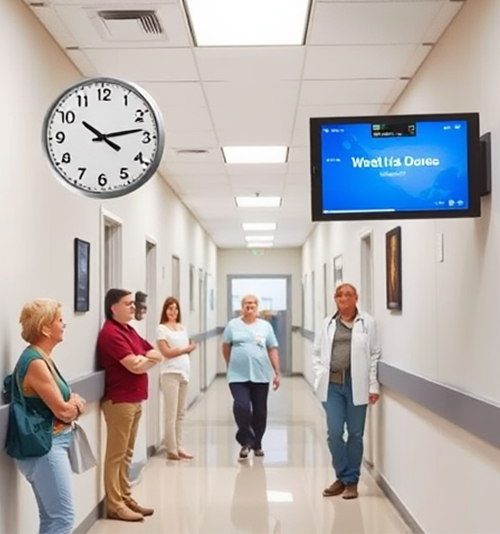
Wait times are the single most important factor in patient satisfaction surveys. Studies consistently show that patients who wait more than 15 minutes before being seen report significantly lower satisfaction scores. In emergency departments and busy outpatient clinics, these numbers can be even more critical, as delayed care can directly impact health outcomes.
Physical queue management healthcare systems struggle to reduce wait times because they are bound by physical capacity. Waiting rooms can only hold so many people, and the pace of service is limited by the number of available staff and consultation rooms. When patient volume spikes, the physical queue simply extends, and there is no way to manage the overflow beyond adding more staff — which is often not feasible.
Hybrid queue solutions address this limitation by distributing patient arrivals more evenly throughout the day. When patients can join a queue remotely and receive estimated wait times, they can plan their arrival accordingly. This reduces the concentration of patients in waiting areas and allows healthcare facilities to manage patient flow more proactively. The result is shorter actual wait times, less overcrowding, and a calmer, more professional environment for both patients and staff.
In healthcare, uncertainty is one of the biggest sources of patient anxiety. When a patient arrives at a hospital and has no idea how long they will wait, what department they need to go to, or whether their number is being called, the experience becomes stressful. This is where comparing physical and hybrid queue systems for hospitals reveals a significant advantage for hybrid queue solutions.
Hybrid queue solutions provide continuous, transparent communication throughout the patient journey. Here is how this benefits healthcare facilities:
By integrating seamless communication into the queuing process, hybrid queue solutions transform what was once a source of patient frustration into a transparent, predictable, and manageable experience. This level of communication is difficult to achieve with physical queue management healthcare alone.
One of the most overlooked aspects of queue management in healthcare is its impact on resource allocation. When patient arrivals are unpredictable and unmanaged, hospitals face the dual challenge of staff idle time during slow periods and staff overload during peak hours. This inefficiency affects both operational costs and the quality of care delivered.

The advantages of hybrid queuing in healthcare facilities extend well beyond patient satisfaction. They directly impact the operational efficiency of the entire facility, enabling healthcare leaders to do more with the resources they already have.
In today's healthcare landscape, patient experience is no longer a secondary concern — it is a primary differentiator. Patients have choices, and they are increasingly vocal about their expectations. Hospitals and clinics that fail to deliver a smooth, respectful, and efficient experience risk losing patients to competitors who do.
When comparing physical and hybrid queue systems for hospitals, the patient experience advantage of hybrid queue solutions is clear. It is not just about managing lines — it is about creating a healthcare environment where patients feel valued, informed, and cared for from the very first interaction.
One of the most powerful advantages of hybrid queue solutions is the wealth of data they generate. Physical queue management healthcare systems provide limited visibility — administrators may know roughly how many patients arrived, but they lack detailed insights into wait times, peak hours, service duration, and patient behaviour patterns.

Hybrid queue solutions, on the other hand, provide comprehensive analytics that healthcare administrators can use to make informed operational decisions. Key insights include:
These insights are invaluable for hospital queue management systems that aim to continuously improve. By understanding patient flow patterns in detail, healthcare facilities can make data-driven decisions that enhance both efficiency and patient care quality.
A common concern when comparing physical and hybrid queue systems for hospitals is whether digital solutions will exclude patients who are less tech-savvy or lack access to smartphones. This is a valid concern, and it is precisely why hybrid queue solutions are the superior choice for healthcare facilities.
Unlike fully digital patient flow solutions that require patients to use an app or website, hybrid queue solutions maintain the physical queue option for patients who prefer it. Patients who arrive at the hospital can still join the queue at a kiosk or reception desk, while those who prefer digital convenience can join remotely. This dual approach ensures that no patient is left behind.
Furthermore, hybrid queue solutions support multiple communication channels, including SMS and WhatsApp, which are accessible to a wider audience than app-based systems. Elderly patients, patients with visual impairments, and those from diverse linguistic backgrounds can all benefit from the flexibility that hybrid queue solutions provide.
The benefits of hybrid queuing in healthcare facilities include not just operational efficiency but also social responsibility. By offering a system that works for everyone, healthcare facilities demonstrate their commitment to inclusive, patient-centred care.
When evaluating any technology investment, healthcare administrators must consider both the upfront costs and the long-term return on investment. Physical queue management healthcare systems may appear cheaper initially, but they carry hidden costs in the form of overcrowded waiting rooms, staff overtime, patient dissatisfaction, and lost revenue from walk-away patients.
Hybrid queue solutions offer a compelling cost-benefit profile. The initial investment is offset by:
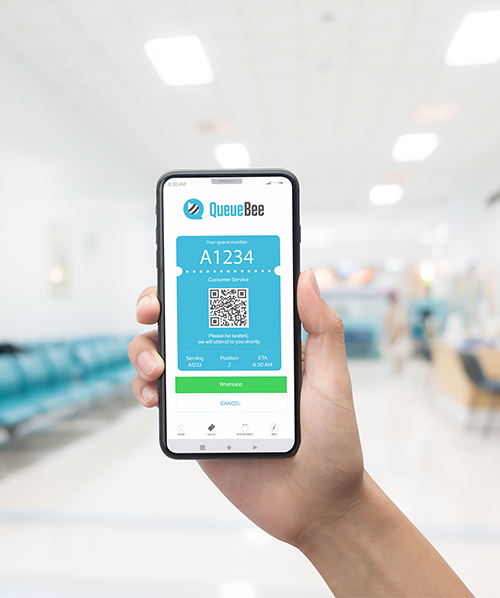
When comparing physical and hybrid queue systems for hospitals, the long-term value of hybrid queue solutions becomes increasingly clear. They are not just a technology upgrade — they are a strategic investment in the future of healthcare delivery.
The transition from physical queue management healthcare to hybrid queue solutions is already underway across healthcare facilities worldwide. Here is how different types of facilities are implementing these systems:
The benefits of hybrid queuing in healthcare facilities are being realised across all types of healthcare settings. Whether it is a small clinic or a large hospital network, hybrid queue solutions provide the flexibility, efficiency, and patient-centric approach that modern healthcare demands.
When comparing physical and hybrid queue systems for hospitals, the evidence is clear: hybrid queue solutions offer superior flexibility, patient experience, operational efficiency, and long-term value. They combine the reliability of physical queuing with the power of digital patient flow solutions, ensuring that every patient — regardless of their tech comfort level — receives a seamless, respectful, and efficient experience.
Don't let outdated queue management hold your healthcare facility back. Discover how QueueBee's hybrid queue solutions can transform your patient flow, reduce wait times, and elevate your patient satisfaction scores. Contact us today for a personalised demo and see the difference hybrid queuing can make for your facility.


Security | Quality | Reliability