Best Queue System For Immigration And Licensing Offices

Blog | Last Updated: April 24, 2026

Why Immigration And Licensing Offices Need A Queue Management System

Every day, thousands of citizens visit immigration and licensing offices to renew passports, apply for visas, obtain driver's licenses, and complete other critical government services. These offices are often overwhelmed with long queues, chaotic waiting areas, and frustrated citizens who have spent hours standing in line only to be told their documents are incomplete.

The traditional first-come-first-served approach no longer works in modern government service delivery. Without a proper queue management system, offices struggle with overcrowding, uneven staff workloads, and poor citizen satisfaction. A smart queue system transforms this chaos into an orderly, efficient, and citizen-friendly experience that benefits both the public and the staff.
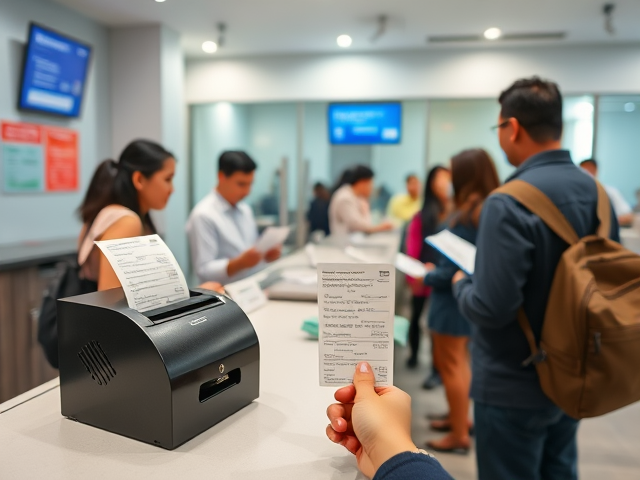
Best Queue Management System for Immigration and Licensing Offices

The Challenges Faced By Immigration And Licensing Offices

Immigration and licensing offices operate under intense pressure. They serve diverse populations with varying needs, handle sensitive documentation, and must maintain strict compliance with government regulations. Yet, many of these offices still rely on outdated manual queuing methods that create bottlenecks and frustration.

The impact of poor queue management goes beyond inconvenience. Long wait times lead to citizen dissatisfaction, increased complaints, staff burnout, and even security concerns in overcrowded waiting areas. A modern queue management system addresses these challenges head-on by introducing structure, transparency, and efficiency into every service interaction.

Key Features Of A Smart Queue System For Government Offices

What Makes A Queue Management System Suitable For Immigration And Licensing Offices
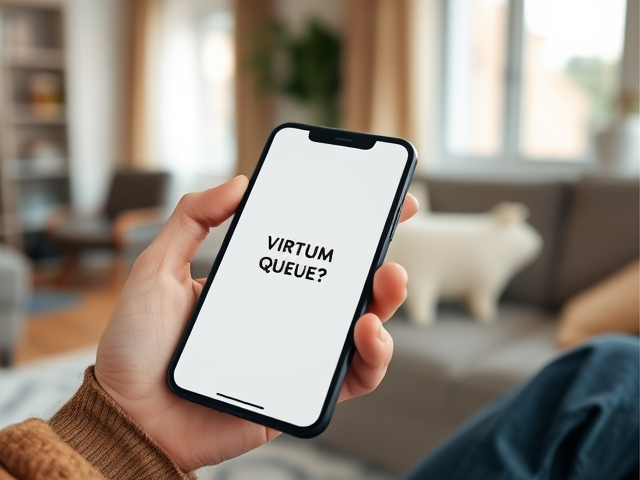
Virtual Queue System for Government Offices

Virtual Queue Management

Citizens can join a queue remotely through a web portal or mobile app, eliminating the need to physically stand in line. They receive real-time updates on their position and estimated wait time, allowing them to arrive just before their turn. This feature is especially valuable for immigration offices that experience peak-hour surges.
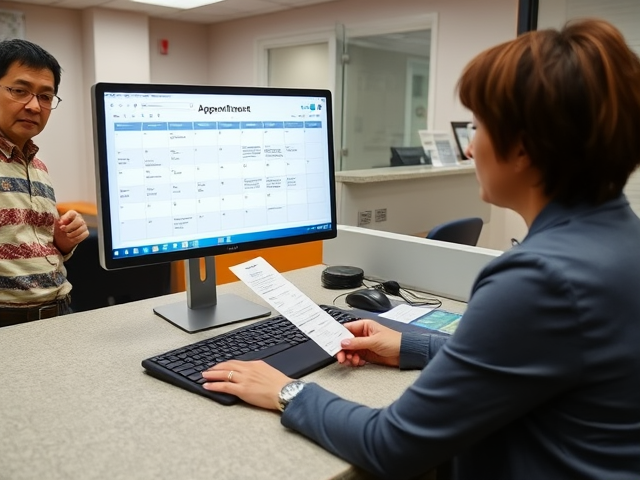
Appointment Scheduling for Licensing Offices

Appointment Scheduling Integration

A smart queue system seamlessly integrates appointment scheduling, allowing citizens to book specific time slots for services like passport renewal, license application, or document verification. This reduces walk-in congestion and ensures balanced daily service loads across all counters.
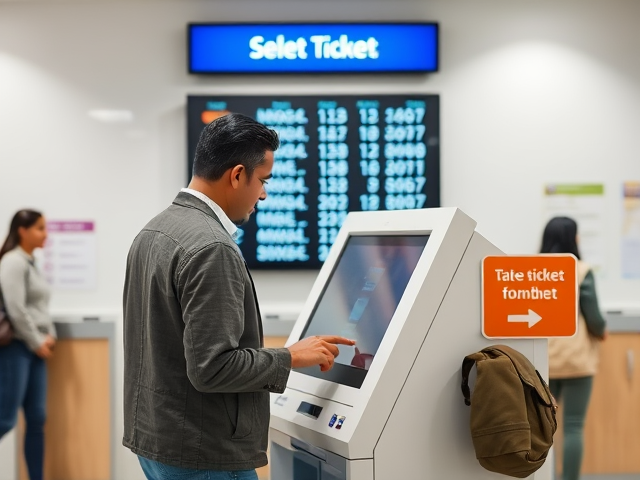
Digital Display Kiosks for Queue Management

Digital Display & Kiosk System

On-site digital display screens and self-service kiosks guide citizens through the queuing process. Visitors can take a physical or digital ticket at the kiosk, view their queue status on large monitors, and receive audio-visual announcements when their turn arrives. This creates a professional and organized environment.
Reducing Wait Times in Government Offices
1

Reducing Citizen Wait Times:
Streamlined Service Delivery

Long wait times are the single biggest complaint from citizens visiting immigration and licensing offices. Studies show that people begin to feel frustrated after just 5 to 10 minutes of waiting. When government offices allow citizens to wait for hours, it damages public trust and creates unnecessary stress for vulnerable populations, including the elderly and disabled.

A smart queue system directly tackles this problem by optimizing service flow and balancing workloads across all counters. Virtual queuing allows citizens to wait off-site, while on-site queue management ensures that no counter remains idle while others are overwhelmed. The result is a dramatic reduction in perceived and actual wait times, leading to higher citizen satisfaction scores.

By implementing a reliable queue management system, government offices can transform chaotic waiting areas into orderly, predictable service environments where citizens know exactly when and where to go.

2

Transparency And Real-Time Updates:
Keeping Citizens Informed

Uncertainty is one of the most frustrating aspects of waiting in a government office. Citizens often have no idea how long they will wait, which counter they should go to, or whether their documents are being processed. A smart queue system eliminates this uncertainty through real-time communication.

When a queue management system is in place, citizens receive:

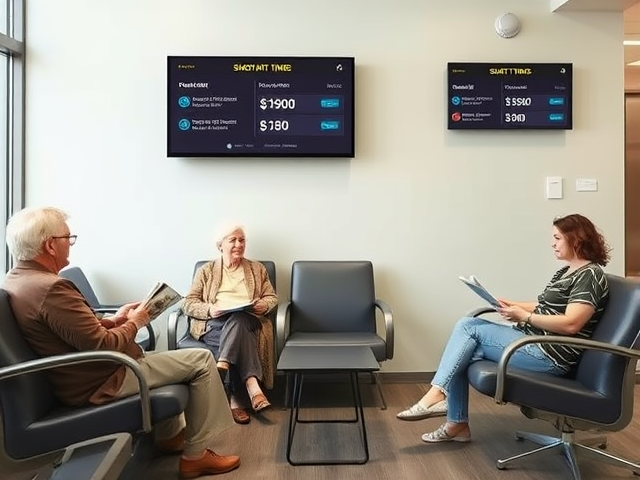
Real-Time Queue Status

Citizens can check their current position in the queue, estimated wait time, and the counter assigned to them through digital displays, SMS notifications, or a mobile app.

Automated Notifications

SMS and email alerts notify citizens when their turn is approaching, allowing them to move to the correct counter at the right time without standing in line.

Clear Service Instructions

Digital kiosks and display screens provide step-by-step guidance on required documents, service types, and counter assignments, reducing confusion and errors.

This level of transparency builds trust between government offices and the public. When citizens feel informed and respected, their overall perception of government service delivery improves significantly.

3

Prioritizing Urgent Cases:
Smart Queue Triage

Not all citizens have the same service needs. Immigration and licensing offices must handle a mix of routine renewals, urgent visa applications, emergency passport services, and complex licensing cases. A smart queue system enables intelligent triage, ensuring that urgent cases are prioritized without disrupting the flow of regular services.

Priority Queue Routing

Urgent cases such as emergency travel documents or time-sensitive license renewals can be routed to dedicated counters with priority handling, ensuring critical services are delivered promptly.

Service-Type Segregation

The system can separate queues by service type, ensuring that citizens waiting for passport services are not mixed with those applying for driver's licenses, reducing confusion and counter errors.

VIP and Special Assistance Queues

Government offices often need to accommodate VIP visitors, elderly citizens, and persons with disabilities. A smart queue system allows the creation of dedicated queues for these groups, ensuring they receive appropriate care and attention.

Smart triage ensures that the right citizen reaches the right counter at the right time, improving both efficiency and equity in government service delivery.
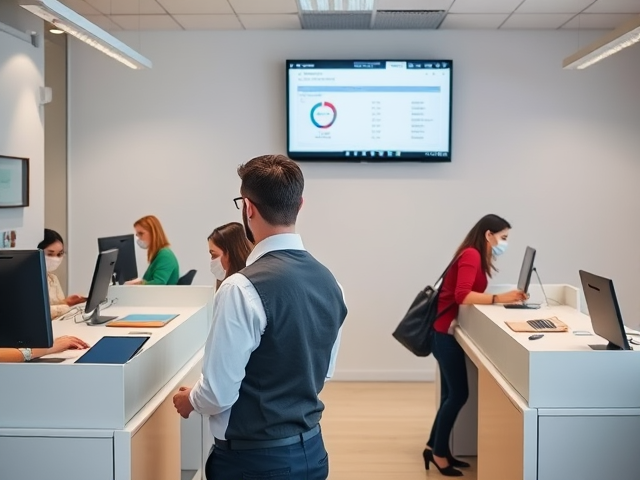
Smart Queue Triage for Government Offices
4

Empowering Staff With Better Workload Management:
Improved Staff Efficiency

Government office staff face immense pressure managing long queues, irate citizens, and complex documentation. Without a queue management system, staff workloads become uneven, with some counters overwhelmed while others sit idle. This imbalance leads to burnout, errors, and declining service quality.

Balanced Counter Workloads

A smart queue system distributes citizens evenly across all available counters, preventing any single officer from being overwhelmed while others remain underutilized.

Reduced Stress and Burnout

When queues are managed systematically, staff no longer face the constant stress of crowd control and angry citizens. This leads to better morale, lower turnover, and improved service attitudes.

Data-Driven Staff Allocation

Queue management analytics reveal peak hours, average service times, and counter performance, enabling office managers to allocate staff more effectively and plan shifts accordingly.

Faster Service Turnaround

With organized queues and clear counter assignments, officers can focus on processing cases rather than managing lines, resulting in faster service for every citizen.

When government staff are equipped with the right tools, they can deliver better service with less stress. A queue management system is not just a technology upgrade; it is a workforce empowerment tool that benefits everyone in the office.

5

Data-Driven Insights For Better Governance:
Analytics And Reporting

One of the most powerful advantages of a smart queue system is the wealth of data it generates. Immigration and licensing offices can use this data to make informed decisions about resource allocation, service improvements, and policy changes.

Data Analytics for Government Queue Management

Key analytics available through a queue management system include:

Average Service Time

Understanding how long each service type takes helps offices set realistic wait time expectations and identify bottlenecks in the process.

Peak Hour Analysis

Data reveals which days and hours experience the highest footfall, enabling offices to adjust staffing levels and open additional counters during peak periods.

Citizen Satisfaction Metrics

Post-service feedback collected through the queue system provides direct insights into citizen satisfaction, helping offices identify areas for improvement.

Counter Performance Reports

Office managers can track which counters are processing cases efficiently and which may need additional training or support.

These insights transform queue management from a reactive operational task into a strategic governance tool that drives continuous improvement in public service delivery.

6

Enhancing Security And Crowd Control:
Orderly Waiting Environments

Overcrowded waiting areas in government offices pose serious security and safety concerns. When hundreds of citizens crowd into a single space, it becomes difficult to monitor the area, maintain order, and ensure compliance with health and safety regulations.

A smart queue system directly addresses these concerns by:

Controlling Footfall

Virtual queuing limits the number of citizens physically present in the office at any given time, preventing overcrowding and maintaining a safe environment.

Reducing Complaints and Conflicts

When citizens know their place in the queue and receive regular updates, the likelihood of disputes, complaints, and confrontations drops significantly.

Professional Office Image

An organized, technology-driven queuing system projects a modern and professional image of the government office, boosting public confidence in institutional competence.

For immigration and licensing offices that handle sensitive personal data and high-stakes transactions, maintaining a secure and orderly environment is not optional. A queue management system is essential infrastructure for modern government service delivery.

7

Why QueueBee Is The Best Queue Management System For Government Offices:
Built For Public Service Excellence

Among the many queue management systems available, QueueBee stands out as the ideal solution for immigration and licensing offices. Designed with the unique demands of government service delivery in mind, QueueBee combines powerful technology with an intuitive user experience that serves both citizens and staff.
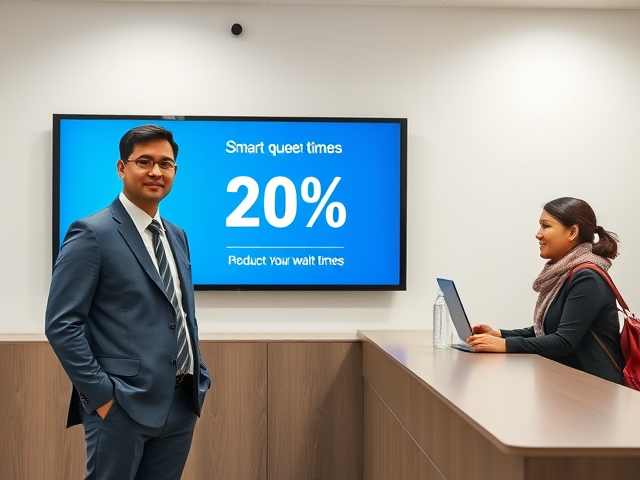
Multi-Channel Queue Access

Citizens can join queues via web portal, mobile app, SMS, or on-site kiosks. This flexibility ensures that every citizen, regardless of their tech proficiency, can access the service effortlessly.

Customizable Service Queues

QueueBee allows offices to create custom service queues for passport renewal, visa application, license issuance, document verification, and more, each with its own priority rules and counter assignments.

Real-Time Dashboard

Office administrators get a comprehensive real-time dashboard showing queue lengths, wait times, counter utilization, and citizen flow, enabling instant operational decisions.

SMS and WhatsApp Notifications

Automated notifications keep citizens informed at every stage, from queue joining to counter assignment to service completion, reducing walk-away rates and improving satisfaction.

Integration With Existing Government Systems

QueueBee integrates seamlessly with existing government databases, document management systems, and citizen identification platforms, creating a unified service ecosystem.

Scalable Cloud Infrastructure

Whether serving hundreds or thousands of citizens daily, QueueBee's cloud-based architecture scales effortlessly to meet the demands of any government office, from small municipal licensing centers to large immigration headquarters.
QueueBee Queue Management System for Government Offices

QueueBee is not just a queue management system; it is a complete citizen service transformation platform. By implementing QueueBee, immigration and licensing offices can deliver faster, fairer, and more transparent services that meet the expectations of modern citizens.

8

Measurable Impact:
What Offices Achieve With A Smart Queue System

Government offices that have implemented a smart queue system report transformative improvements across every metric that matters. Here is what offices can expect to achieve:

Up To 70% Reduction In Wait Times

Virtual queuing and optimized counter allocation dramatically cut down both actual and perceived wait times, leading to happier citizens and reduced complaints.

Higher Citizen Satisfaction Scores

Transparent queuing, real-time updates, and organized service delivery consistently result in higher citizen satisfaction ratings and improved public perception of government services.

Increased Daily Service Capacity

With efficient queue management, offices can process significantly more citizens per day without adding staff, maximizing the return on existing infrastructure and personnel.

The return on investment for a queue management system in immigration and licensing offices is substantial. Reduced operational costs, improved staff productivity, higher citizen satisfaction, and better resource utilization all contribute to a more effective and citizen-centric government service model.

Transform Your Immigration And Licensing Office With QueueBee

Ready to eliminate long queues, reduce citizen complaints, and deliver world-class public service? QueueBee's queue management system is purpose-built for immigration and licensing offices that demand efficiency, transparency, and citizen satisfaction.
Contact us today for a personalized demo and discover how QueueBee can revolutionize your government service delivery.

ISO 27001
ISO 9001

We Are Now

ISO 27001 & ISO 9001 Certified!

Security | Quality | Reliability

Whatsapp