
Walking into a busy medical clinic often feels like stepping into a pressure cooker. Patients clutching appointment slips, families shifting uncomfortably in plastic chairs, and receptionists fielding a relentless stream of phone calls asking, "How much longer?" It is a familiar scene across healthcare facilities worldwide. While clinical expertise is the core of any practice, the front-desk experience sets the tone for the entire visit. When patients are left guessing about their turn, anxiety rises, and the perception of care quality drops significantly.
This is where a strategic shift in operations becomes necessary. Implementing a robust queue management system transforms chaotic waiting rooms into streamlined, predictable environments. By digitizing the flow of visitors, clinics can reclaim valuable time, reduce front-desk bottlenecks, and ensure that every patient feels acknowledged from the moment they arrive. The transition from manual tracking to automated scheduling is no longer a luxury; it is a fundamental requirement for modern healthcare delivery.
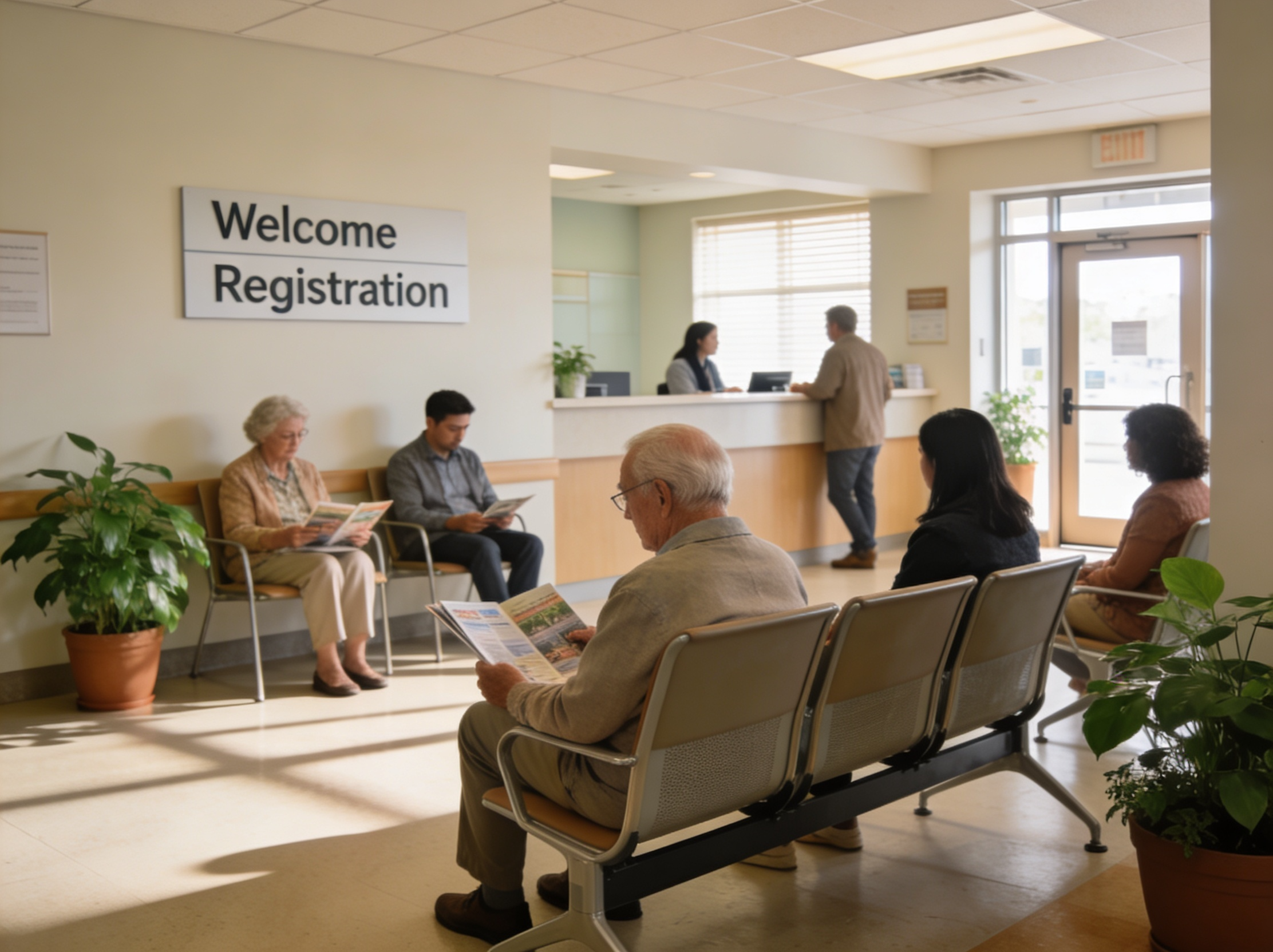
In healthcare, time is not just money; it is directly tied to patient well-being and clinical outcomes. A poorly managed waiting room creates a domino effect of stress that impacts everyone involved. Patients experience heightened anxiety, which can actually elevate blood pressure and heart rates before they even see a doctor. Meanwhile, medical staff are forced to act as crowd controllers rather than focusing on triage and care preparation.
Integrating a patient queue management system addresses these friction points head-on. It replaces uncertainty with transparency and manual guesswork with precise data. When a clinic adopts a structured queuing approach, it signals professionalism and respect for patient time. This shift not only improves immediate satisfaction scores but also builds long-term trust, encouraging patients to return for follow-ups and recommend the facility to others. In a competitive healthcare landscape, operational smoothness is a powerful differentiator.
Core Elements of Modern Clinic Queuing
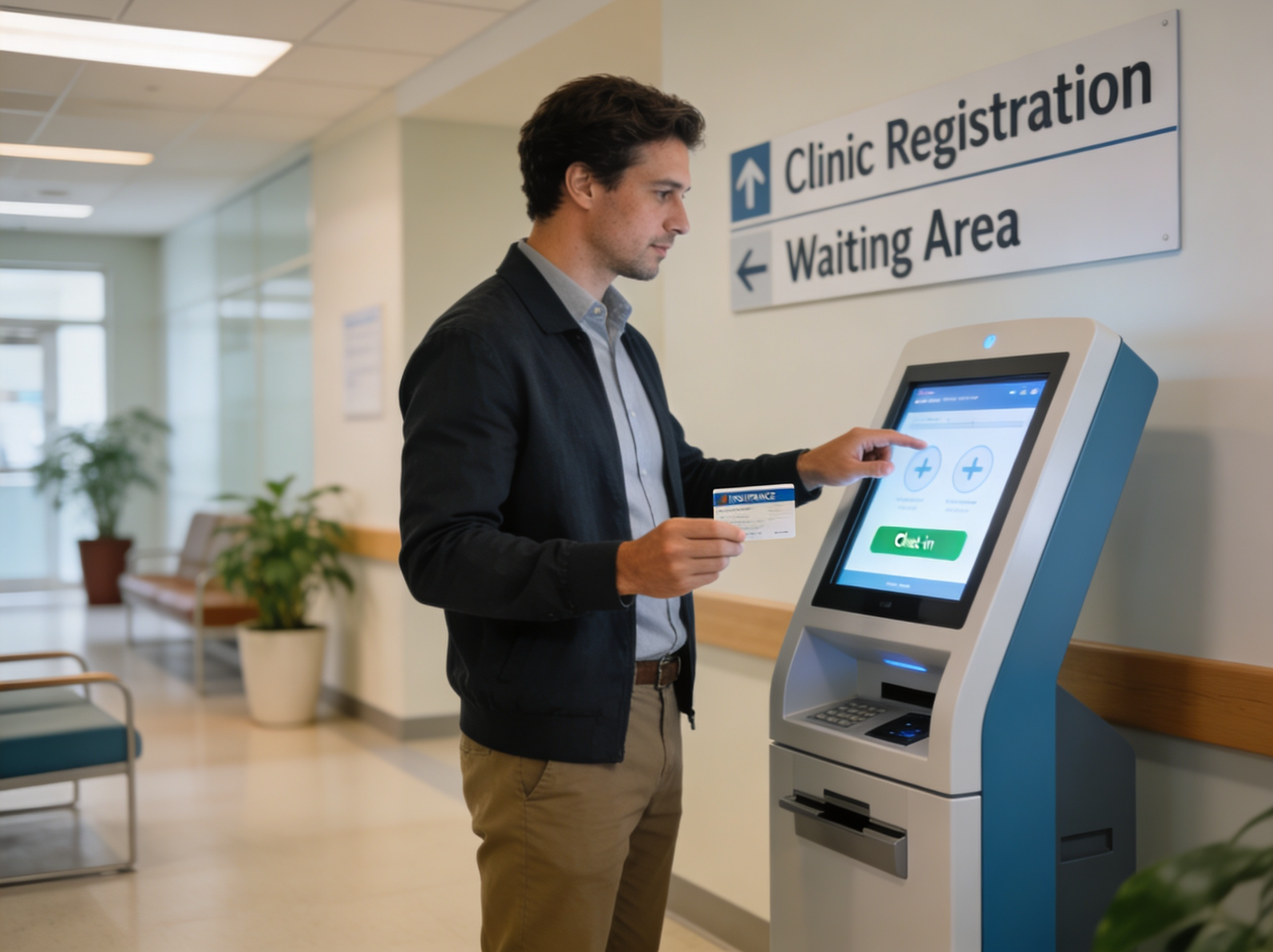

Studies consistently show that perceived wait times in healthcare settings are often longer than actual wait times due to uncertainty and lack of engagement. A well-implemented queue management system tackles this by organizing patient arrivals into predictable batches. Instead of a chaotic rush at opening hours, patients are guided through a structured intake process that aligns with doctor availability.
By keeping wait times within a comfortable and communicated range, clinics respect the patient's schedule and reduce the likelihood of walk-aways. Incorporating virtual queuing takes this further by eliminating physical congestion entirely. Patients can wait in their cars, at nearby cafes, or in comfortable clinic lounges, knowing exactly when to return. This efficiency directly translates to higher throughput without compromising the quality of medical consultations.
Communication breakdowns are a primary source of frustration in medical waiting rooms. When patients do not know where they stand in line, anxiety builds, leading to repeated interruptions of administrative staff. A modern patient queue management system bridges this gap through automated, multi-channel communication.
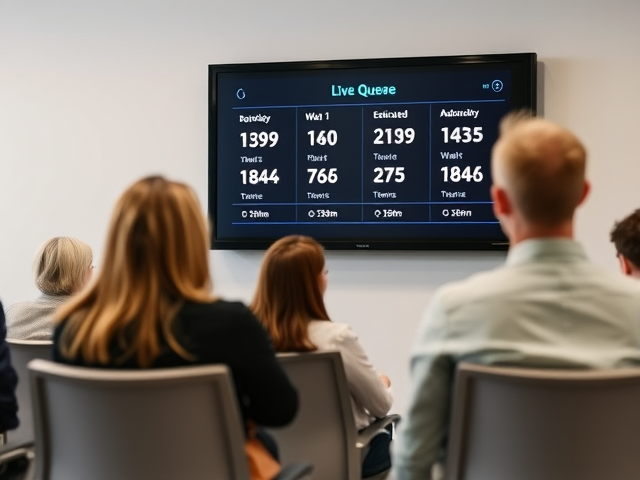
Imagine a seamless flow where patients receive instant digital tickets, real-time status updates on screens, and personalized SMS alerts. This transparency delivers measurable benefits:
By integrating seamless communication into the clinical journey, healthcare providers can focus on medicine while the system handles the logistics. Whether through digital signage, mobile notifications, or patient portals, keeping visitors informed smooths out the entire experience.
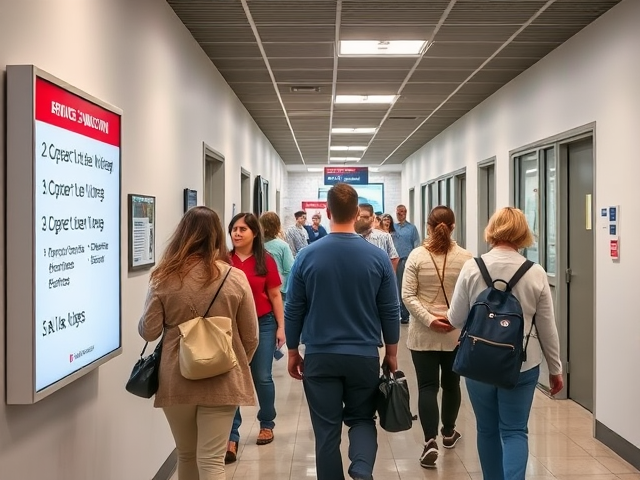
In a dynamic healthcare environment, efficiently managing patient flow isn't just a logistical challenge; it is essential for maintaining clinical standards. It is about ensuring that every visitor is smoothly guided through registration, triage, consultation, and checkout, reducing bottlenecks at every stage.
Efficient crowd management is vital for any medical facility. It is not just about guiding people through doors; it is about creating an orderly, comfortable environment where patients feel respected and medically prioritized. This approach enhances the entire journey, making visits smoother and more professional.

In today's competitive healthcare market, outstanding patient service isn't just a nice-to-have; it is essential for retention and reputation. It is the difference between a patient who schedules their next check-up immediately and one who seeks care elsewhere. Here is how an effective queue management system plays a crucial role in elevating clinical service standards:
Effective patient service is a continuous journey of understanding and responding to visitor needs. Implementing a robust queue management system is a powerful step in this journey, ensuring that every interaction counts towards building a strong, lasting relationship with your patient base.
Consider the front-desk experience in a traditional clinic. The reception team's dedication to managing patient intake is commendable. Yet, when faced with a crowded room and constant questions about wait times, even the most professional staff can become overwhelmed. Imagine such interactions recurring dozens of times a day. It is easy to see how indirect stress can start weighing heavily on administrative teams.
Consistently managing crowd control and answering repetitive inquiries can be mentally exhausting. It is not just about the occasional complaint; it is the daily grind of directing traffic that can sap motivation. Trying to maintain warm, empathetic service in the face of constant logistical demands is a tall order for anyone.

Here is where a modern queue management system makes a world of difference. By automating the waiting process and keeping patients informed through digital channels, much of this administrative stress is alleviated. No more dealing with the frustration of visitors caught off guard by long waits.
Imagine a system where patients know exactly what to expect and when. They are less likely to direct their frustration at staff because they are not caught in an endless loop of uncertainty. This kind of transparency doesn't just help patients; it takes a massive load off the administrative team.
And when staff aren't constantly putting out fires caused by long waits and poor communication, they are free to do what they do best: provide compassionate, efficient administrative support. They can focus on verifying insurance, preparing files, and assisting patients with genuine needs. This not only improves morale among the team but also elevates the overall service quality.
In the world of healthcare administration, inefficiencies are more than just inconveniences; they directly impact the facility's bottom line and are a real drain on resources, especially when it comes to patient queues. Long, unmanaged lines not only escalate operational costs but can also lead to missed appointments and underutilized doctor hours. Take, for instance, a clinic that loses multiple patients daily due to overcrowding. Had they stayed, the cumulative revenue loss would be substantial.
A strategic queue management system makes a measurable difference:
The impact of a structured system can be substantial. By improving productivity and efficiency, it opens the door to significant operational cost savings. Imagine if the avoided loss from retained patients was replicated across multiple visits daily. That is the potential of reducing operational inefficiencies with a reliable queue management system.
Modern queue management systems do more than just manage lines; they provide comprehensive data across your entire patient journey. This data is key to making smarter, more informed decisions in your clinic's operations.
Leveraging these analytics transforms guesswork into strategy. By understanding the numbers behind patient flow, clinic managers can continuously refine their processes, ensuring that the facility operates at peak performance while delivering exceptional care.

Ready to revolutionise your healthcare facility? Discover how a modern queue management system can streamline operations, reduce patient wait times, and elevate the overall clinical experience.
Contact us today for a personalised patient queue management system solution.

Security | Quality | Reliability