
In 2026, customer expectations have shifted dramatically. People no longer tolerate long physical lines, unpredictable wait times, or disjointed service experiences. Whether they are visiting a hospital, a government office, a retail store, or a restaurant, customers expect seamless, transparent, and efficient service from the moment they decide to engage with a business.
This is where the best queue management system becomes essential. Modern queue systems have evolved far beyond simple ticket dispensers and numbered displays. Today's queue management system integrates virtual queuing, real-time notifications, AI-driven analytics, and omnichannel customer journey tracking into a single unified platform. Businesses that adopt these advanced solutions are seeing measurable improvements in customer experience, staff productivity, and operational efficiency.
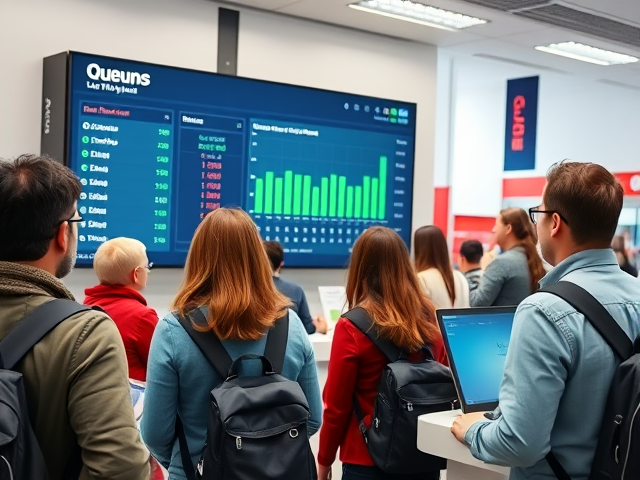
The cost of poor queue management is no longer just about frustrated customers. In 2026, a single negative experience shared on social media can damage brand reputation overnight. Long wait times directly correlate with higher walk-away rates, reduced conversion, and lost revenue. Studies show that nearly 70% of customers will abandon a physical queue if the wait exceeds five minutes.
A modern queue system does more than just organize lines. It transforms the entire customer journey by providing transparency, reducing anxiety, and creating a sense of control. Businesses that invest in the best queue management system for 2026 are not just solving a logistical problem — they are building a competitive advantage that drives loyalty and growth.
Understanding the different queue system models helps businesses choose the right solution for their specific needs.
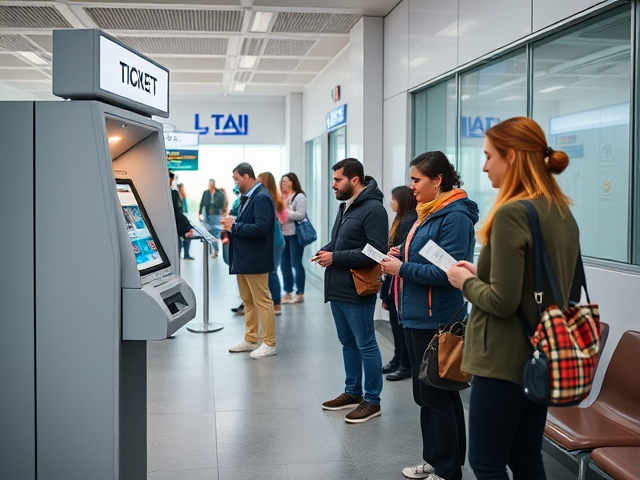
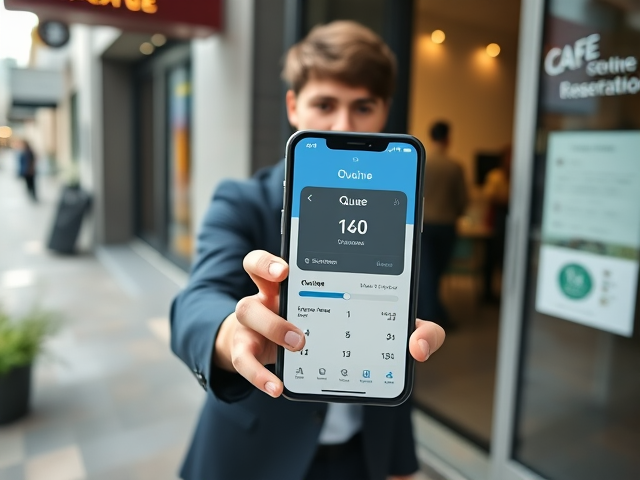
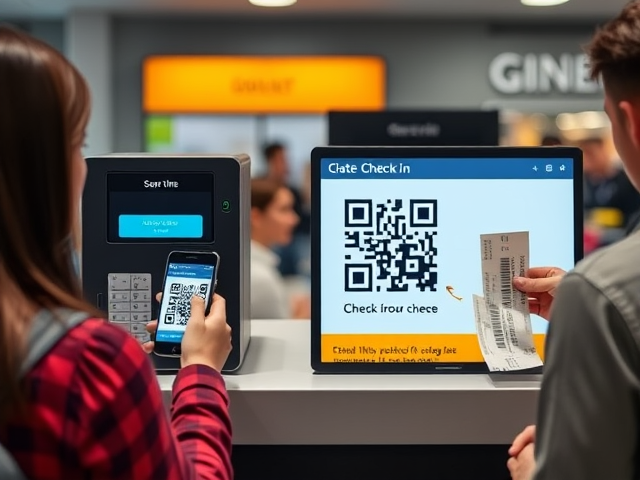
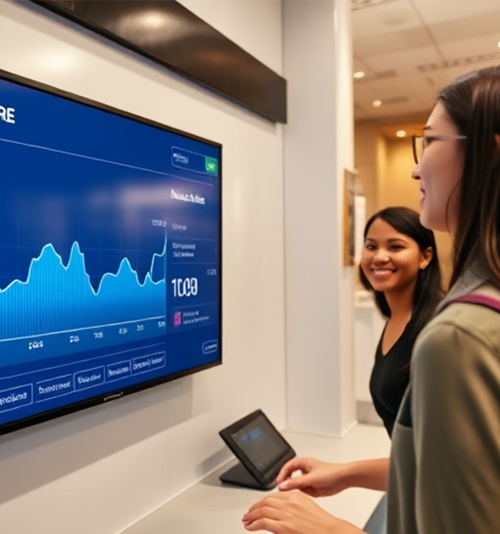
The single most impactful feature of the best queue management system for 2026 is its ability to eliminate unnecessary waiting. Research consistently shows that customers begin feeling frustrated after just five to six minutes of waiting. A well-designed queue system ensures that wait times stay within acceptable thresholds by intelligently routing customers, balancing staff allocation, and preventing bottlenecks before they form.
Virtual queuing takes this further by removing the physical line entirely. Customers no longer need to stand in a crowded lobby — they can join a queue from their car, their office, or even their home. This freedom not only improves the customer experience but also reduces congestion at the service location, creating a safer and more comfortable environment for everyone.
Businesses using a modern queue system report wait time reductions of up to 60%, with some organizations seeing even more dramatic improvements. When customers know exactly how long they will wait and can manage their time effectively, satisfaction scores rise and negative feedback drops significantly.
Uncertainty is the enemy of customer satisfaction. When people do not know their place in the queue or how long they will wait, anxiety builds rapidly. The best queue management system for 2026 addresses this by providing continuous, real-time communication throughout the customer journey.
Modern queue systems deliver updates through multiple channels — SMS, WhatsApp, email, mobile app notifications, and digital displays at the service location. This multi-channel approach ensures that no customer is left in the dark. The benefits are clear:
Communication is no longer a nice-to-have feature in a queue management system — it is a fundamental expectation. Businesses that fail to provide real-time updates risk losing customers to competitors who do.
One of the most overlooked benefits of a modern queue system is its impact on staff productivity. When queues are managed manually, staff members are constantly pulled away from their core duties to manage lines, answer wait-time questions, and handle frustrated customers. This fragmentation reduces overall efficiency and increases burnout.
Efficient staff allocation is not just an operational improvement — it is a strategic advantage. Businesses that optimize their workforce through a smart queue system consistently outperform competitors in both service quality and cost management.
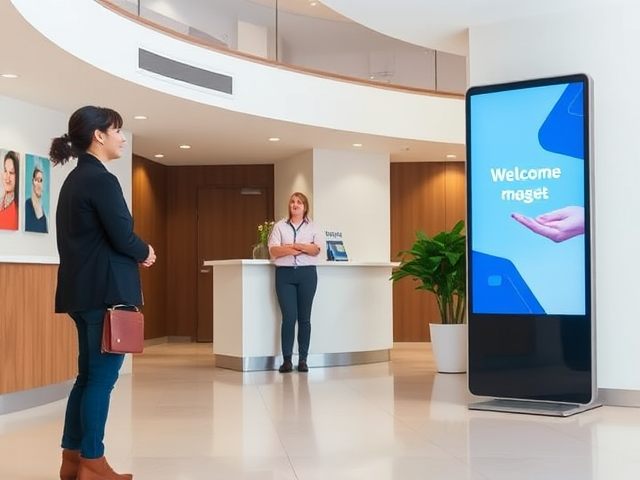
In 2026, customer experience is the primary battleground for businesses across every industry. A queue management system is no longer a back-office tool — it is a front-line customer experience platform. Here is how the best queue management system directly enhances the customer journey:
The businesses that win in 2026 will be those that treat the queue not as a problem to solve, but as an opportunity to delight. A well-designed queue management system turns what was once a pain point into a memorable, positive touchpoint in the customer journey.
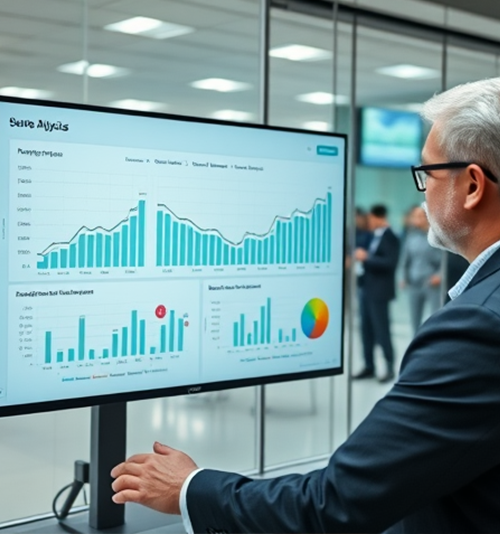
The best queue management system for 2026 does far more than organize customers — it generates actionable intelligence. Every interaction, every wait time, and every service point generates data that, when analyzed, reveals powerful insights about your business operations.
With built-in analytics dashboards, business owners and managers can track metrics such as average wait time, peak service hours, staff utilization rates, customer flow patterns, and service completion times. These insights enable data-driven decisions that were previously impossible to make accurately.
It can show you which service points are bottlenecks, which staff members are most efficient, when your busiest periods occur, and how customer behavior changes across different days and times. Armed with this information, you can optimize staffing schedules, redesign service layouts, adjust operating hours, and launch targeted promotions during slow periods.
Businesses that leverage queue system data consistently outperform those that rely on intuition alone. In 2026, data is not just an advantage — it is a necessity for competitive survival.
Inefficiency costs money. Every minute a customer spends waiting is a minute of lost revenue. Every walk-away is a missed sale. Every staff member spending time managing a physical queue is a staff member not serving customers. The financial impact of poor queue management is substantial and often invisible until it is too late.
A modern queue management system directly addresses these cost drivers:
The return on investment for a queue management system is often realized within months of implementation. When you factor in reduced walk-away rates, improved staff efficiency, and data-driven operational improvements, the best queue management system for 2026 pays for itself — and then some.
Choosing the best queue management system for 2026 is not just about solving today's challenges — it is about preparing for tomorrow's opportunities. The most effective queue systems are built with scalability and integration at their core, ensuring they grow alongside your business.
As technology continues to evolve, the queue management system of 2026 will only become more sophisticated. Businesses that invest in a future-ready solution today will be ahead of the curve when the next wave of innovation arrives.
Not all queue systems are created equal. To select the right queue management system for your organization, consider these essential factors:
The best queue management system for 2026 is one that aligns with your business goals, enhances your customer journey, and delivers measurable results. QueueBee's queue management system is designed to do exactly that — combining virtual queuing, real-time communication, data-driven analytics, and seamless integration into one powerful platform.


Security | Quality | Reliability