
Walk into any busy bank branch during peak hours and you will see it: customers standing in long lines, checking their watches, growing visibly frustrated. For financial institutions, this scene is not just an inconvenience — it is a direct threat to customer retention and brand reputation. A recent industry survey revealed that over 68% of banking customers will switch to a competitor after experiencing a wait time exceeding 15 minutes at a branch.
The traditional queuing approach — first come, first served, with no visibility or structure — simply does not work in today's fast-paced financial environment. Customers expect the same speed and transparency they get from digital services, and when branch operations fail to deliver, trust erodes. This is where a modern queue management system becomes essential for banks that want to stay competitive.
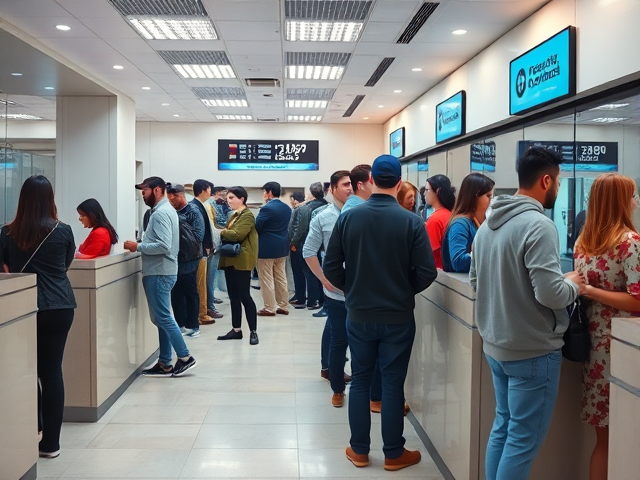
In the banking sector, time is money — both for the institution and for the customer. Long queues at bank branches create a cascade of negative outcomes: customers abandon their transactions, staff become overwhelmed, and the bank's reputation suffers across word-of-mouth and social media channels.
Research shows that the average bank customer spends approximately 22 minutes per branch visit, with nearly 40% of that time spent waiting. When a bank implements a smart queue system, those wait times can be reduced by up to 60%, directly improving customer satisfaction scores, increasing transaction completion rates, and allowing staff to focus on high-value advisory work rather than crowd control.
Not every queue management system is built for the unique demands of banking. QueueBee's queue system is designed from the ground up to handle the complexity, security, and scale requirements of financial institutions. Here is why leading banks choose QueueBee:




Banking customers have a very short patience threshold. Studies consistently show that the acceptable wait time for a bank branch is approximately 6 minutes. Beyond this point, dissatisfaction rises sharply, and the likelihood of customers walking out increases significantly. A smart queue system directly addresses this by optimising service flow and eliminating idle time between customers.
QueueBee's queue management system uses intelligent routing to match customers with the right banker or service counter, ensuring that no resource sits idle while others wait. By keeping wait times within the 6-minute window, banks can dramatically improve customer satisfaction and reduce the number of abandoned transactions — which directly protects revenue.
When a bank implements a virtual queue system, the perceived wait time drops even further because customers are no longer confined to a physical line. They can complete other errands, check their phone, or simply relax — knowing exactly when to return. This psychological benefit is just as important as the actual time saved.
Uncertainty is the enemy of customer satisfaction. When a banking customer joins a queue, they want to know three things: where they are in line, how long they will wait, and what to do next. A modern queue system delivers all three through automated notifications, digital displays, and mobile updates.
Here is how real-time queue visibility transforms the banking experience:
By integrating seamless communication into the queuing process — whether through SMS, WhatsApp, mobile app push notifications, or in-branch digital displays — banks keep customers informed and engaged. This not only smooths out the waiting experience but also reinforces the bank's commitment to customer care.
Bank branches are complex environments with multiple service types — teller counters, loan desks, investment advisors, and customer service desks. Without proper crowd management, certain areas become bottlenecks while others remain underutilised. A smart queue system solves this by intelligently directing customers to the right service point.
Efficient crowd management is vital for any bank branch. It is not just about guiding people to counters — it is about creating an orderly, comfortable environment where customers feel respected and valued. This approach enhances the entire branch experience, making visits smoother and more productive for everyone.

In today's competitive banking landscape, customer service is the primary differentiator. With digital banking apps handling routine transactions, branch visits are increasingly reserved for complex, high-value interactions. Every branch visit is an opportunity to deepen the customer relationship — but only if the experience is smooth and professional.
Effective customer service is a continuous journey. Implementing a robust queue management system is a powerful step in this journey, ensuring that every branch interaction counts towards building a strong, lasting relationship with your customers.

Bank tellers and customer service representatives face immense pressure during peak hours. Constantly managing frustrated customers, fielding complaints about wait times, and handling high-volume transactions takes a toll on staff morale. When employees feel overwhelmed, service quality declines, and turnover increases — creating a vicious cycle that harms the bank.
A smart queue system alleviates this pressure by bringing order to chaos. Staff no longer need to manage physical lines or field complaints about perceived unfairness. Instead, they can focus on delivering quality service to each customer in turn, knowing that the queue is being managed fairly and efficiently behind the scenes.
When bank staff are no longer the first line of defence against customer frustration, their job satisfaction improves dramatically. They can focus on what they were trained to do — providing financial advice, processing transactions accurately, and building relationships with customers. This shift not only reduces burnout but also elevates the overall quality of service delivered at every branch.
And when staff are happy and engaged, customers notice. A positive staff-customer dynamic is one of the most powerful drivers of branch satisfaction, and it is something that a well-implemented queue system makes possible.
Long queues at bank branches are not just a customer experience problem — they are a significant operational cost. Every minute a customer spends waiting is a minute the bank is not generating revenue. Every customer who walks out of a branch is a lost transaction, and in banking, even a small transaction can represent meaningful revenue over time.
QueueBee's queue management system delivers measurable cost savings across multiple dimensions:
The financial impact of a smart queue system in banking can be substantial. By improving productivity, reducing waste, and protecting revenue, banks can achieve significant operational cost savings — often paying for the system within the first few months of implementation.
A modern queue system does more than manage lines — it generates a rich stream of data that bank managers can use to make smarter, more informed decisions about branch operations. This data is the key to continuous improvement and competitive advantage.
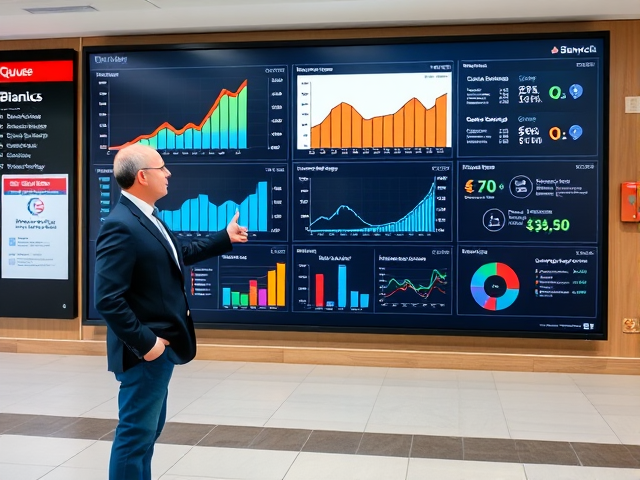
For banks that want to stay ahead, data is not optional — it is essential. A smart queue system transforms raw queue data into actionable intelligence, enabling branch managers to optimise operations, improve service quality, and make decisions that are backed by evidence rather than guesswork.
Ready to transform your bank branch operations? QueueBee's queue management system helps financial institutions reduce waiting times, improve customer satisfaction, and optimise staff efficiency across every branch.
Contact us today for a personalised demo and discover how a smart queue system can revolutionise your banking operations.


Security | Quality | Reliability